


Peptide Lyophilized Vials
Lyophilised peptide vials for laboratory research. Batch documentation is available. Orders are shipped next working day.
Research Peptide Vials — UK Dispatched
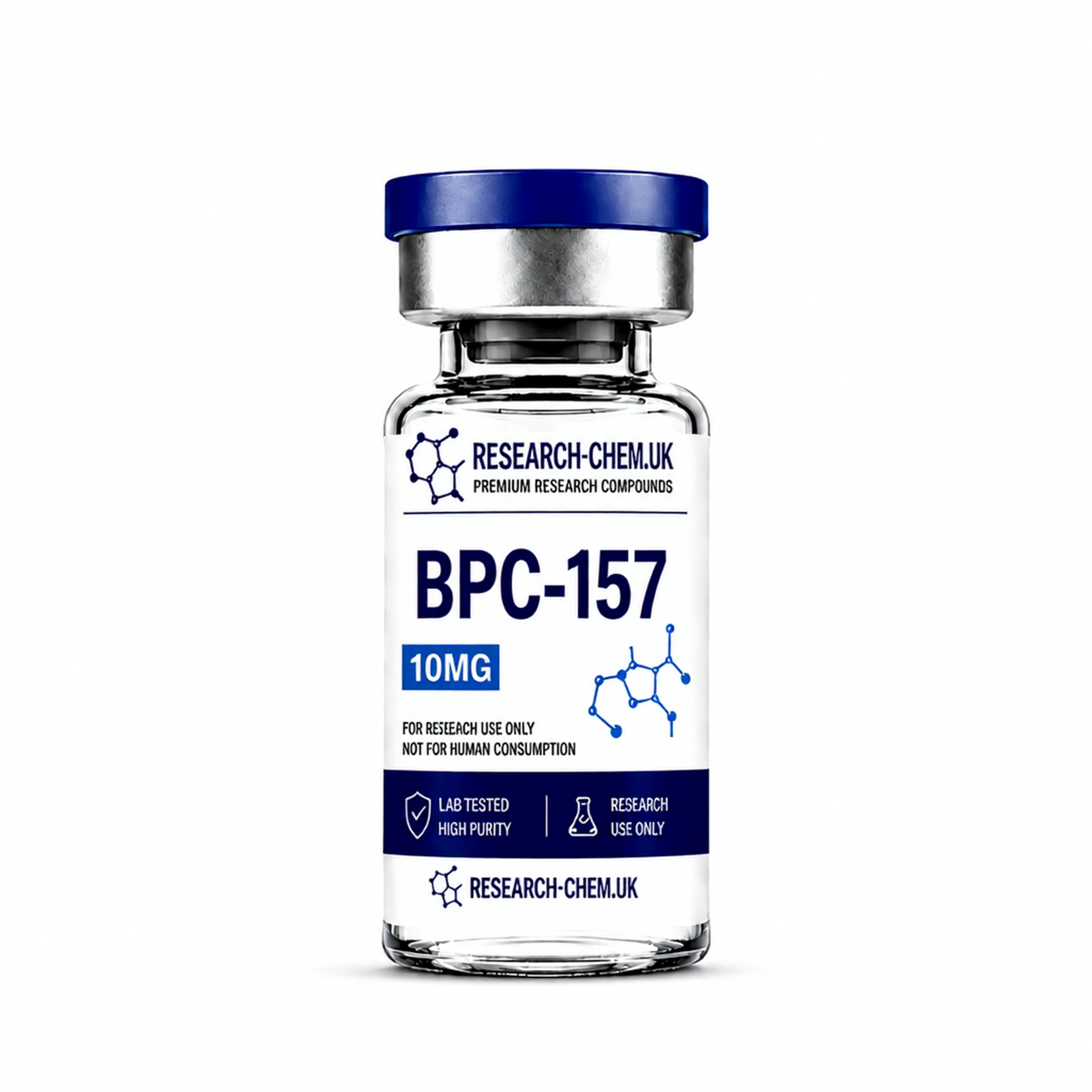
BPC-157
10MG · 3ml vial
Pentadecapeptide fragment of human Body Protection Compound. Sequence: GEPPPGKPADDA GLV. Stable gastric pentadecapeptide; resistant to enzymatic hydrolysis in gastric juice.
| CAS No. | 137525-51-0 |
| Mol. Formula | C₆₂H₉₈N₁₆O₂₂ |
| Mol. Weight | 1419.55 g/mol |
| Purity | ≥98.0% (HPLC) |
| Sequence | Gly-Glu-Pro-Pro-Pro-Gly-Lys-Pro-Ala-Asp-Asp-Ala-Gly-Leu-Val |
| Appearance | White lyophilised powder |
| Storage | −20 °C long-term; 2–8 °C short-term |
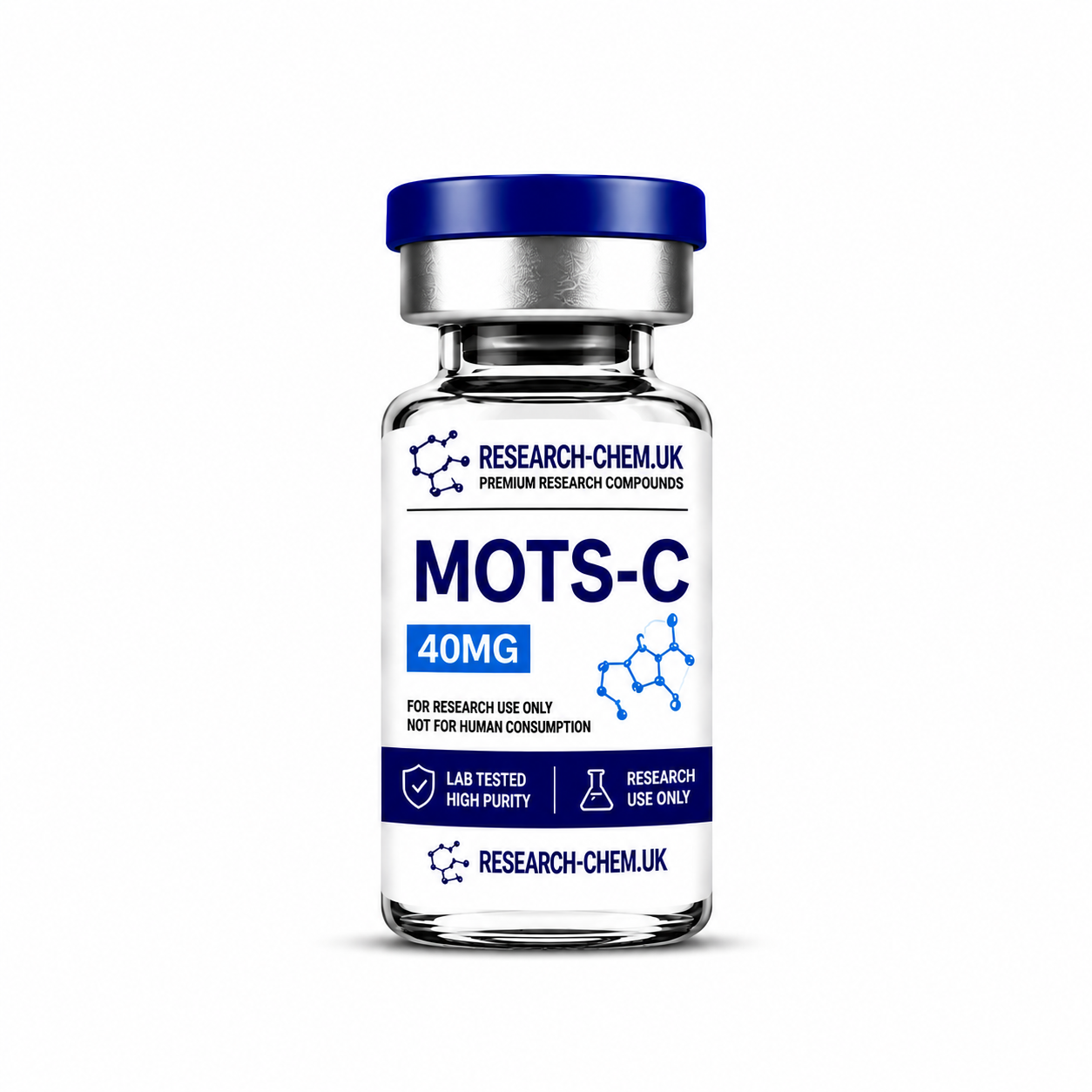
MOTS-c UK
40 mg · 3ml vial
MOTS-c 40mg UK | Mitochondrial-Derived Research Peptide | HPLC Verified | £59.95 Product Overview MOTS-c 40mg is a mitochondrial-derived research peptide attracting scientific interest for its potential role in cellular energy regulation, metabolic signalling and mitochondrial-to-nuclear communication. Encoded within the mitochondrial genome, MOTS-c is a 16-amino-acid peptide investigated for its relationship with AMP-activated protein kinase (AMPK), glucose metabolism, insulin sensitivity and metabolic homeostasis. Research has explored how MOTS-c may influence cellular responses to metabolic stress and the pathways involved in energy utilisation. These findings have established MOTS-c as an emerging subject in mitochondrial biology and experimental metabolic research. Research-Chem.uk MOTS-c 40mg is supplied strictly for laboratory research and analytical purposes. The product's reported purity and analytical characteristics should be verified against the relevant batch-specific Certificate of Analysis (COA). Product Highlights 1. Product: MOTS-c 2. Quantity: 40mg 3. Price: £59.95 4. Compound class: Mitochondrial-derived peptide 5. Peptide length: 16 amino acids 6. Research focus: Mitochondrial signalling and metabolic regulation 7. Documentation: Refer to the applicable batch-specific COA 8. Intended use: Laboratory research and analytical purposes only What Is MOTS-c? MOTS-c stands for mitochondrial open reading frame of the 12S rRNA-c. First characterised in 2015, it is a short peptide encoded by a region of mitochondrial DNA. Mitochondria are best known for their role in cellular energy production, but research increasingly recognises their importance in cellular signalling. Mitochondrial-derived peptides such as MOTS-c are being investigated for their potential role in communicating metabolic information between mitochondria and other cellular systems. Unlike conventional peptides encoded by nuclear DNA, MOTS-c originates from the mitochondrial genome. This distinctive origin makes it particularly relevant to research examining mitochondrial function, metabolic adaptation and cellular homeostasis. Scientific investigations have explored MOTS-c in relation to: a. AMPK-associated signalling pathways b. Glucose utilisation and metabolic regulation c. Insulin sensitivity in experimental models d. Cellular energy homeostasis e. Skeletal muscle metabolism f. Responses to metabolic stress g.Mitochondrial-to-nuclear communication h.Age-associated metabolic changes Although these areas have generated considerable scientific interest, MOTS-c remains investigational. Findings from cell-based and animal studies should not be interpreted as proof of equivalent effects in humans. How Is MOTS-c Investigated in Research? One of the principal areas of interest in MOTS-c research is its relationship with AMP-activated protein kinase (AMPK), an enzyme that functions as a cellular energy sensor. AMPK helps coordinate metabolic processes in response to changes in cellular energy availability. It participates in pathways associated with glucose utilisation, lipid metabolism and energy balance. In foundational preclinical research, MOTS-c was associated with changes in folate metabolism, purine biosynthesis and AMPK activation. These findings helped establish a scientific basis for further investigation into mitochondrial-derived signalling peptides. Researchers continue to explore several related questions: How MOTS-c influences intracellular metabolic pathways How mitochondrial-derived signals affect gene expression How cellular responses vary under different metabolic conditions How MOTS-c relates to skeletal muscle energy utilisation How its biological activity differs between experimental models The precise mechanisms, pharmacological characteristics and clinical relevance of MOTS-c remain incompletely understood. MOTS-c Research Applications 1. Mitochondrial Signalling MOTS-c offers researchers an opportunity to investigate how mitochondria may influence cellular activity beyond their traditional role in energy production. Research into mitochondrial-derived peptides is expanding understanding of the relationship between mitochondrial function, gene regulation and cellular adaptation. 2. AMPK and Energy Regulation AMPK is an important regulator of cellular energy balance. MOTS-c has been investigated in experimental systems involving AMPK-related pathways and changes in metabolic activity. This research may help laboratories explore the molecular mechanisms involved in energy sensing and metabolic regulation. 3. Glucose Metabolism and Insulin Signalling Preclinical research has investigated MOTS-c in relation to glucose utilisation and insulin sensitivity. The original 2015 study reported that MOTS-c treatment improved measures associated with insulin resistance and diet-related obesity in mice. These findings established an important foundation for further research. However, animal findings do not demonstrate that administering MOTS-c produces equivalent benefits in humans. Its potential role in human glucose regulation remains unestablished. 4. Skeletal Muscle Metabolism Skeletal muscle plays a major role in whole-body glucose utilisation and energy metabolism. Researchers have investigated MOTS-c in relation to muscle metabolic activity and physiological adaptation. This work has generated interest in the relationship between mitochondrial signalling and the regulation of skeletal muscle energy pathways. Further research is required to establish the relevance of these findings to human physiology. 5. Metabolic Stress and Cellular Adaptation MOTS-c is also being investigated for its potential involvement in cellular responses to metabolic stress. Understanding these mechanisms may help researchers examine how cells adapt to changes in energy availability and metabolic demand. These investigations remain part of an evolving scientific field rather than an established clinical application. 6. Ageing and Metabolic Research Mitochondrial function and metabolic regulation can change with age. Researchers are therefore investigating whether mitochondrial-derived peptides contribute to age-associated physiological changes. MOTS-c has attracted interest in this field because of its reported relationship with metabolic homeostasis in preclinical models. It has not been established that taking MOTS-c slows ageing, extends lifespan or prevents age-related disease. What Does the Research Say? MOTS-c research includes cellular experiments, animal studies and human observational research. The strength of evidence varies considerably between these areas. Preclinical Findings A foundational study published in Cell Metabolism in 2015 identified MOTS-c as a mitochondrial-derived peptide and investigated its effects on metabolic homeostasis. In experimental models, researchers reported changes associated with AMPK signalling, insulin sensitivity and diet-related obesity. These findings provide a basis for continued investigation into mitochondrial-derived peptides and their potential involvement in metabolic regulation. Human Research Human studies have examined naturally occurring MOTS-c concentrations in blood and their relationships with metabolic characteristics. However, observational measurements of naturally occurring MOTS-c are not equivalent to clinical trials in which participants receive manufactured MOTS-c. The available evidence does not establish the safety, effectiveness or clinical benefits of administering native MOTS-c to humans. Scientific Limitations Important questions remain regarding MOTS-c's biological mechanisms, pharmacokinetics, dose-response relationships, potential adverse effects and long-term safety. Accordingly, claims that MOTS-c is a proven weight-management, anti-ageing, performance-enhancing or metabolic treatment are not supported by established human clinical evidence. Research References 1. Lee et al. (2015) — MOTS-c and Metabolic Homeostasis Title: The mitochondrial-derived peptide MOTS-c promotes metabolic homeostasis and reduces obesity and insulin resistance. Journal: Cell Metabolism, 21(3), 443–454. DOI: 10.1016/j.cmet.2015.02.009 This foundational study characterised MOTS-c and investigated its relationship with metabolic regulation, AMPK-associated signalling and insulin sensitivity in experimental models. Read the study on PubMed 2. Kim and Ristow (2015) — Mitochondrial Signalling and Metabolism Title: A mitochondrially encoded hormone ameliorates obesity and insulin resistance. Journal: Cell Metabolism. DOI: 10.1016/j.cmet.2015.02.013 This accompanying research article discusses the potential significance of MOTS-c in mitochondrial signalling and metabolic regulation. Read the study on PubMed 3. MOTS-c and Muscle and Fat Metabolism Title: MOTS-c: A novel mitochondrial-derived peptide regulating muscle and fat metabolism. This review examines the emerging research surrounding mitochondrial-derived peptides and their potential roles in skeletal muscle and metabolic biology. Find the publication on PubMed MOTS-c Product Specifications Property Specification Product name: MOTS-c Product quantity: 40mg Price: £59.95 Full name: Mitochondrial open reading frame of the 12S rRNA-c Compound class: Mitochondrial-derived peptide Peptide length: 16 amino acids Peptide sequence: MRWQEMGYIFYPRKLR Primary research areas: Mitochondrial signalling and metabolic regulation Reported purity Refer to batch-specific COA Intended application Laboratory research and analytical purposes Product-specific chemical identity, salt form, analytical purity and batch information should be confirmed using the relevant product documentation. Quality and Purity At Research-Chem.uk, analytical verification and batch traceability are important considerations when supplying research compounds. The applicable Certificate of Analysis provides the reference for the tested batch's reported purity and available analytical information. HPLC analysis can help characterise the chromatographic purity of a peptide preparation. However, purity results alone do not establish biological activity, sterility, formulation suitability or safety for administration. Researchers should consult the relevant batch documentation before using the material in an analytical or experimental setting. Laboratory Research Applications MOTS-c may be of interest to qualified research laboratories investigating: Mitochondrial-derived peptide biology AMPK-associated signalling Cellular energy regulation Glucose and lipid metabolism Insulin-related signalling pathways Skeletal muscle metabolism Metabolic stress responses Mitochondrial-to-nuclear communication Peptide identification and characterisation Analytical chemistry and chromatographic methods Experimental findings should be interpreted in the context of the research model, analytical methodology and limitations of the available evidence. Why Choose Research-Chem.uk? Laboratory-Focused Supply Research-Chem.uk supplies compounds for laboratory research and analytical applications. Analytical Documentation Batch-specific documentation provides a reference for the reported analytical characteristics of the supplied material. Research Traceability Clear product identification and batch records support transparent research documentation. Scientifically Responsible Information Our product descriptions distinguish between established chemical information, preclinical findings and clinical claims that remain unproven. Research-Only Positioning We present investigational compounds within a laboratory research context rather than marketing them as medicines, supplements or proven treatments. Research-Use Disclaimer MOTS-c 40mg is supplied by Research-Chem.uk strictly for laboratory research and analytical purposes. This product is not intended for human consumption, veterinary use, diagnosis, treatment, prevention of disease or use as a dietary supplement. MOTS-c remains an investigational research peptide. Findings from preclinical studies do not establish that the peptide is safe or effective for human use. Researchers are responsible for ensuring that handling, storage, analysis and disposal comply with applicable laboratory, institutional and regulatory requirements. For laboratory research only. Not for human or veterinary use.
| CAS No. | 1627580-64-6 |
| Mol. Formula | C₁₀₁H₁₅₂N₂₈O₂₂S₂ |
| Mol. Weight | Approximately 2,174.6 g/mol |
| Purity | ≥98.0% (HPLC) |
| Sequence | Mitochondrial open reading frame of the 12S rRNA-c |
| Appearance | White lyophilised powder |
| Storage | −20 °C long-term; 2–8 °C short-term |
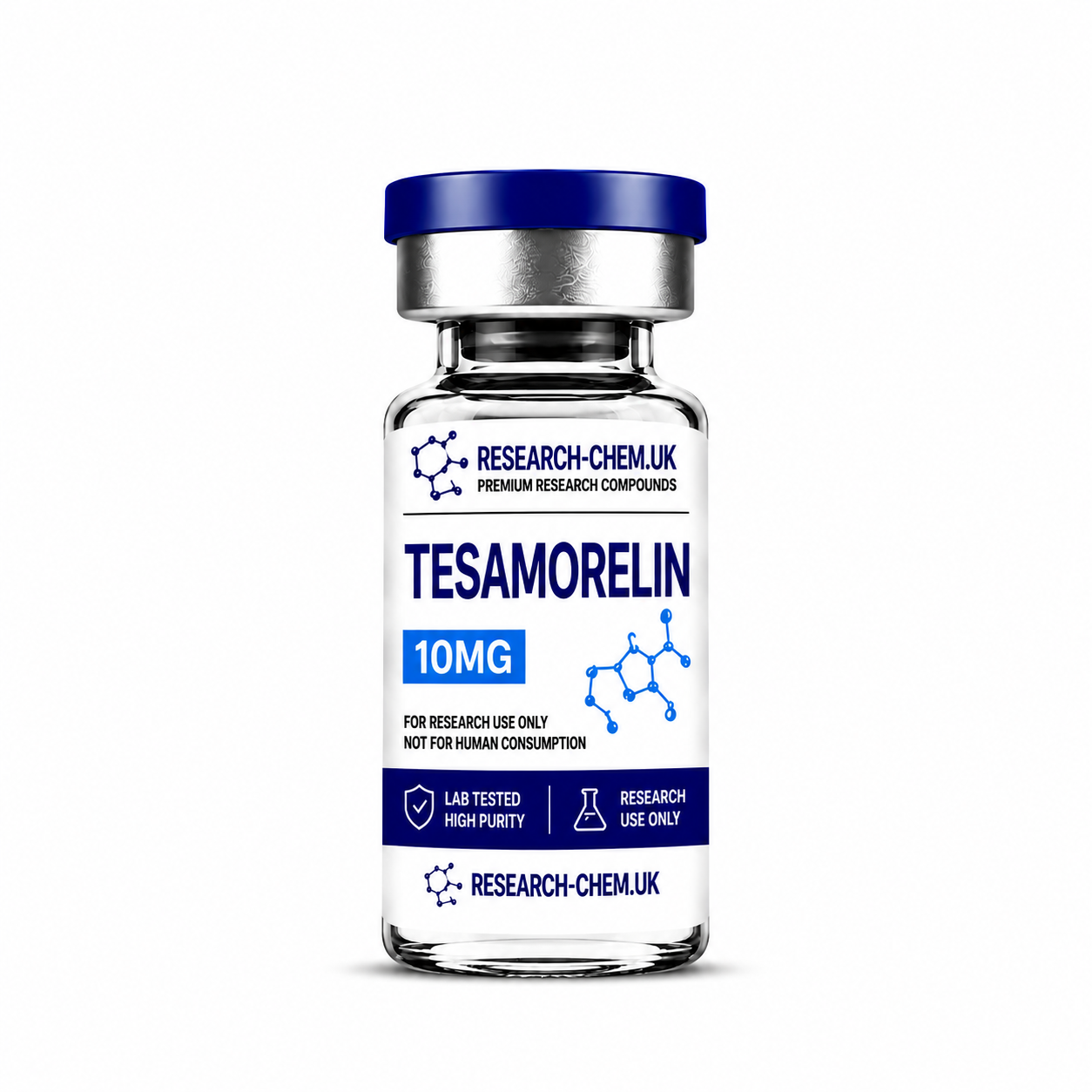
Tesamorelin 10mg
10 MG · 3ml vial
Tesamorelin 10mg UK | Growth Hormone-Releasing Factor Research Peptide Product: Tesamorelin 10mg Price: £49.95 Category: Research Peptides Availability: Check current stock status Product Overview Tesamorelin is a synthetic peptide analogue of growth hormone-releasing hormone (GHRH), investigated for its effects on growth hormone signalling, insulin-like growth factor 1 (IGF-1), and metabolic regulation. Its mechanism of action makes it relevant to laboratory research exploring endocrine signalling and body-composition biology. Research-Chem.uk offers Tesamorelin 10mg for laboratory research purposes. This product is intended exclusively for controlled scientific investigation and is not supplied for human or veterinary use. Product Highlights - **Compound:** Tesamorelin - **Quantity:** 10mg - **Price:** £49.95 - **Peptide class:** Synthetic GHRH analogue - **Research focus:** Growth hormone signalling and metabolic pathways - **Quality documentation:** Refer to the applicable batch Certificate of Analysis (CoA) for verified analytical results What Is Tesamorelin? Tesamorelin is a modified, 44-amino-acid synthetic peptide based on human growth hormone-releasing hormone. The molecule incorporates a modification at its N-terminal region intended to improve stability against enzymatic degradation compared with native GHRH. GHRH is involved in regulating the synthesis and release of growth hormone from pituitary somatotroph cells. By interacting with GHRH receptors, Tesamorelin has been studied for its ability to stimulate endogenous growth hormone secretion and influence downstream signalling, including IGF-1. Unlike compounds that directly supply growth hormone, Tesamorelin acts through a receptor-mediated signalling pathway. This distinction makes it a useful subject for research examining the relationship between hypothalamic-pituitary signalling, growth hormone release, and metabolic physiology. How Does Tesamorelin Work? Tesamorelin is investigated primarily for its interaction with the growth hormone-releasing hormone receptor and the downstream biological responses associated with that pathway. 1. GHRH Receptor Signalling Tesamorelin binds to GHRH receptors on pituitary cells involved in growth hormone production. Research has examined how this interaction influences growth hormone synthesis and release. 2. Growth Hormone and IGF-1 Pathways Growth hormone can influence the production of insulin-like growth factor 1 (IGF-1), a signalling molecule involved in growth, tissue physiology, and metabolic processes. Tesamorelin research therefore provides a model for investigating the relationship between GHRH receptor activation, growth hormone secretion, and IGF-1 signalling. 3. Lipid Metabolism and Body Composition Clinical studies of prescription tesamorelin formulations have examined changes in visceral adipose tissue in adults with HIV-associated lipodystrophy. These findings provide a clinical evidence base for studying the relationship between growth hormone signalling and fat metabolism in specific populations. Results from those prescription-drug studies should not automatically be extrapolated to this research product or other populations. What Does Research Say About Tesamorelin? Tesamorelin has been investigated in both mechanistic studies and controlled clinical trials. Published clinical research has demonstrated that prescription tesamorelin can reduce visceral adipose tissue in adults with HIV-associated lipodystrophy. This is a specific clinical indication and should not be interpreted as evidence that Tesamorelin is a general-purpose weight-loss treatment. Research has also examined changes in growth hormone and IGF-1 levels, alongside metabolic and body-composition measurements. These outcomes depend on the study population, formulation, research design, and measured endpoint. Important considerations include: - **Clinical evidence:** Controlled human studies exist for prescription tesamorelin in a defined medical population. - **Mechanistic research:** GHRH receptor activation and downstream growth hormone signalling are central areas of investigation. - **Limitations:** Evidence for an approved prescription formulation does not establish the quality, safety, effectiveness, or suitability of a separate research-grade product. - **Safety considerations:** Growth hormone and IGF-1 signalling can affect glucose regulation and other physiological processes. Prescription product information includes clinically significant warnings and monitoring considerations. Tesamorelin is not indicated in its approved US prescription labelling as a general weight-management treatment. Research-Chem.uk does not make therapeutic or weight-loss claims for this product. Research References The following sources provide background on Tesamorelin’s mechanism and clinical research: 1. **US Food and Drug Administration – Egrifta WR Prescribing Information.** Official information on the approved prescription formulation, indication, mechanism of action, limitations of use, and safety considerations. https://www.accessdata.fda.gov/drugsatfda_docs/label/2025/022505s020lbl.pdf 2. **Tesamorelin: a growth hormone-releasing factor analogue for HIV-associated lipodystrophy.** Review of clinical evidence, including Phase 3 trials and findings relating to visceral adipose tissue. https://pubmed.ncbi.nlm.nih.gov/22298602/ 3. **US FDA – Clinical Pharmacology Review for Tesamorelin.** Background on molecular structure, GHRH receptor activity, and the original clinical development programme. https://www.accessdata.fda.gov/drugsatfda_docs/nda/2010/022505Orig1s000ClinPharmR.pdf These references describe published research and prescription-drug information; they do not independently verify the identity, purity, or quality of the specific product offered on this page. Product Specifications Specification Details Product name : Tesamorelin Stated quantity : 10mg Price : £49.95 Compound type : Synthetic peptide analogue Peptide class : Growth hormone-releasing hormone analogue Primary research area : GHRH receptor and growth hormone signalling Additional research area : IGF-1 and metabolic pathways Analytical documentation : Refer to the applicable batch CoA ntended use : Laboratory research only **Purity and analytical testing:** Product-specific purity, identity, and testing details should be stated only where supported by the current batch documentation. Please consult the relevant Certificate of Analysis for available analytical results. Quality and Purity Research-Chem.uk recognises the importance of analytical traceability when sourcing research compounds. Product quality should be evaluated using documentation relevant to the actual batch supplied. Where available, the batch Certificate of Analysis may provide information on: - Analytical identity and compound confirmation - Reported purity and the method used to determine it - Batch or lot identification - Testing laboratory and report date - Relevant handling and storage information Analytical methods such as high-performance liquid chromatography (HPLC) can help assess chromatographic purity. However, a purity result alone does not establish sterility, endotoxin status, biological activity, or suitability for administration. Do not assume a particular purity percentage or independent laboratory certification unless the applicable documentation confirms it. Laboratory Research Applications Tesamorelin may be relevant to controlled laboratory investigations involving: - GHRH receptor interactions and signal transduction - Growth hormone secretion pathways - Growth hormone and IGF-1 relationships - Endocrine regulation and metabolic physiology - Research models examining lipid metabolism and body composition These are areas of scientific investigation, not claims of benefit from using this productWhy Choose Research-Chem.uk? Research-Chem.uk aims to provide clearly described research compounds with transparent product information and appropriate quality documentation. When evaluating any research peptide, we recommend reviewing the product specifications, batch-specific analytical documentation, and applicable research-use limitations before use in a laboratory setting. Important Research-Use Disclaimer Tesamorelin 10mg is offered strictly for laboratory research purposes. **It is not intended for human consumption, self-administration, injection, diagnosis, treatment, prevention of disease, or veterinary use.** This listing is not medical advice and does not represent a claim that this product is equivalent to an authorised prescription medicine. Clinical findings associated with prescription tesamorelin formulations must not be interpreted as proof of safety or effectiveness for this research product. Purchasers are responsible for ensuring that their research activities comply with applicable laws, institutional requirements, and laboratory safety procedures.
| Purity | ≥98.0% (HPLC) |
| Sequence | GHRH receptor and growth hormone signalling |
| Appearance | White lyophilised powder |
| Storage | −20 °C long-term; 2–8 °C short-term |
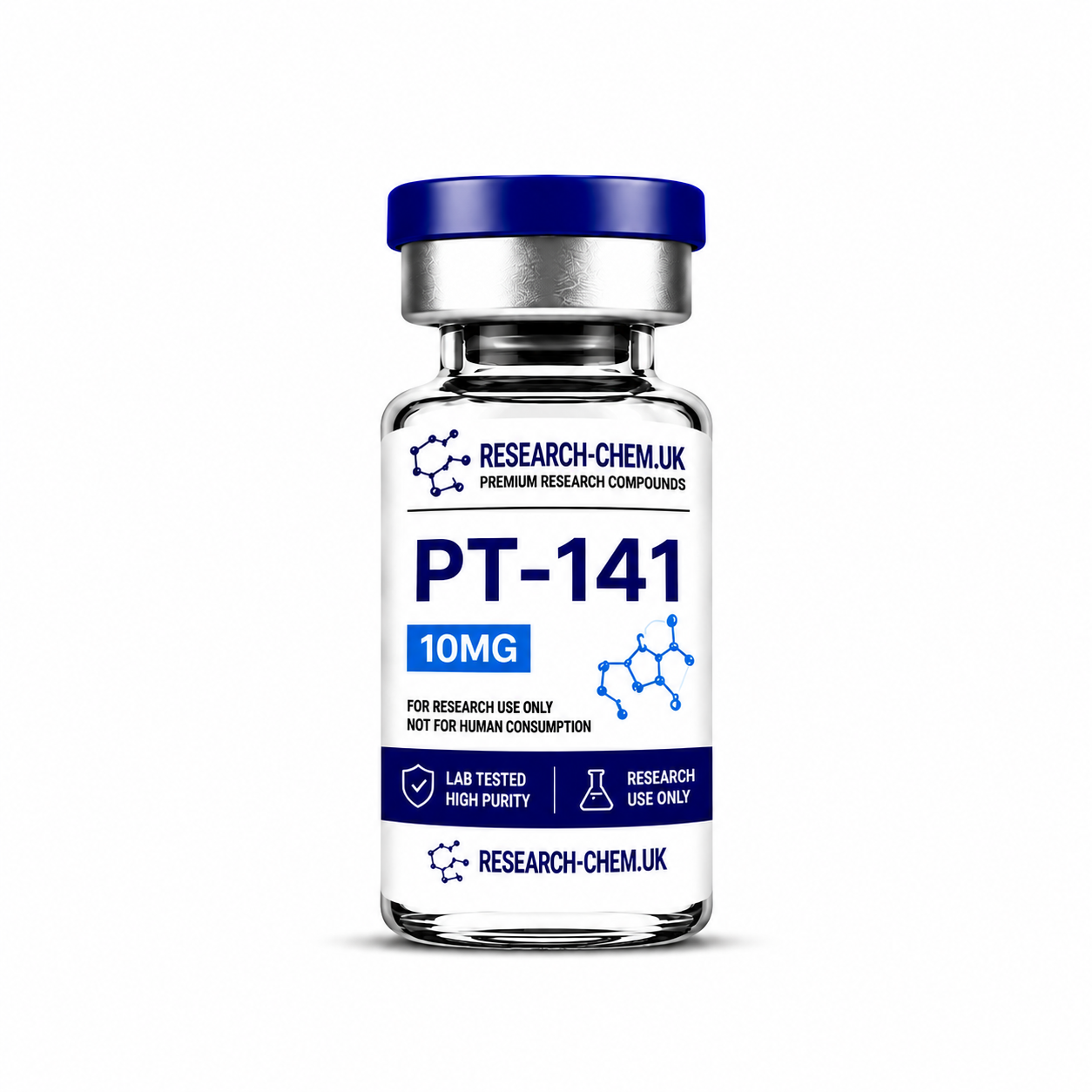
PT-141
10 MG · 3ml vial
PT-141 UK | Bremelanotide Research Peptide | 10mg | £14.95 Product Overview **PT-141 (Bremelanotide)** is a synthetic peptide analogue of alpha-melanocyte-stimulating hormone (α-MSH) that has been investigated for its activity within the melanocortin receptor system. Unlike compounds that primarily target metabolic or androgen-related pathways, PT-141 acts on melanocortin receptors involved in a range of physiological processes, including aspects of sexual-function signalling. Scientific interest in PT-141 has centred on its interaction with central nervous system pathways and its potential relevance to research into sexual desire and related biological mechanisms. Research-Chem.uk provides product information intended to support informed laboratory research and analytical evaluation. The specific identity, purity and composition of the supplied material should be verified against the applicable batch documentation. **Product specification:** PT-141, 10mg **Price:** £14.95 What Is PT-141? PT-141, also known by the scientific name **bremelanotide**, is a synthetic cyclic heptapeptide derived from research into melanocortin signalling. Melanocortin receptors are part of a receptor family involved in several biological processes, including pigmentation, appetite regulation, energy homeostasis and aspects of sexual function. PT-141 has attracted particular scientific attention because its pharmacological activity differs from that of conventional hormonal compounds. Rather than acting as a testosterone-like agent, it interacts with melanocortin receptors, including MC3R and MC4R. Bremelanotide has progressed beyond early laboratory investigation into human clinical research. A prescription formulation, marketed in the United States as Vyleesi, received FDA approval in 2019 for a specific indication involving acquired, generalised hypoactive sexual desire disorder in premenopausal women. The approved medicine and research-grade PT-141 products should not be considered interchangeable. Their formulation, quality controls, regulatory status and intended uses may differ. How Is PT-141 Investigated in Research? Research involving PT-141 has focused on melanocortin receptor activation and the relationship between these receptors and central nervous system signalling. Areas of scientific investigation include: - Melanocortin receptor pharmacology - MC3R and MC4R signalling - Central nervous system pathways - Neuroendocrine regulation - Sexual-function biology - Peptide structure and receptor interactions - Pharmacokinetic characteristics - Peptide stability and analytical characterisation The mechanisms linking melanocortin receptor activation to changes in sexual desire are not completely understood. Consequently, research findings need to be interpreted within the context of the particular experimental model and formulation investigated. PT-141 Research Applications 1. Melanocortin Receptor Research PT-141 provides a research model for investigating the pharmacology of melanocortin receptors. These receptors participate in multiple physiological pathways, making receptor selectivity, signalling responses and interactions with downstream cellular mechanisms important subjects for further investigation. 2. Central Nervous System Signalling The melanocortin system is involved in signalling pathways within the central nervous system. Research into PT-141 has examined how melanocortin receptor activation may relate to neural pathways associated with sexual function and other physiological responses. These investigations contribute to a broader understanding of peptide-mediated signalling and neuroendocrine regulation. 3. Sexual-Function Research One of the principal areas associated with PT-141 is research into sexual-function biology. Clinical studies of prescription bremelanotide have examined changes in sexual desire and associated distress in a defined population of premenopausal women diagnosed with acquired, generalised hypoactive sexual desire disorder. These results are specific to the studied prescription formulation and clinical setting. They should not be interpreted as evidence that every PT-141 product produces equivalent effects or is suitable for general use. 4. Peptide Pharmacology and Analytical Research PT-141 is also relevant to research involving synthetic peptide characterisation. Laboratory investigations may examine peptide identity, purity, molecular characteristics, stability and analytical behaviour under defined experimental conditions. Reliable analytical documentation is particularly important when evaluating synthetic peptides, as product identity and formulation can affect the interpretation of experimental findings. What Does the Research Say? Clinical Research Bremelanotide has been investigated in controlled clinical trials involving premenopausal women with acquired, generalised hypoactive sexual desire disorder. Two pivotal Phase III trials evaluated the prescription formulation against placebo over 24 weeks. The studies reported improvements in certain measures of sexual desire and associated distress, although the treatment effects were not universal. These results supported the approval of Vyleesi in the United States for its specified indication. Importantly, the approved indication is limited. The medicine is not approved under its US label to treat this condition in men or postmenopausal women, or to enhance sexual performance. Mechanism of Action Bremelanotide activates melanocortin receptors. However, the precise mechanism through which this receptor activity translates into clinical changes in sexual desire remains incompletely understood. This makes PT-141 relevant to ongoing research into receptor-mediated signalling and the neurobiology of sexual function. Safety Considerations Clinical research has identified important adverse effects associated with prescription bremelanotide, including nausea, flushing, headache, vomiting and injection-site reactions. The FDA-approved prescription product also carries warnings concerning temporary increases in blood pressure, reductions in heart rate and focal hyperpigmentation. It is contraindicated in people with uncontrolled hypertension or known cardiovascular disease under its US prescribing information. These findings should be considered when reviewing the compound's pharmacological profile. The safety of an unapproved research-grade product cannot be inferred from clinical trials of a regulated prescription formulation. PT-141 should therefore be treated as a biologically active investigational peptide when evaluating laboratory research and analytical applications. Research References 1. FDA — Vyleesi (Bremelanotide) Prescribing Information **Product:** Vyleesi (bremelanotide injection) **Initial US approval:** 2019 The official prescribing information describes the compound's pharmacological classification, approved indication, clinical studies, contraindications and safety considerations. Reference: https://dailymed.nlm.nih.gov/dailymed/lookup.cfm?setid=f1d0c1b5-2f39-4bad-a6a4-0066e3ad5dcf 2. FDA — Multidisciplinary Review of Bremelanotide **Compound:** Bremelanotide / PT-141 **FDA application:** NDA 210557 The FDA review documents the compound's development history, peptide structure, pharmacological classification and clinical-development background. Reference: https://www.accessdata.fda.gov/drugsatfda_docs/nda/2019/210557Orig1s000MultidisciplineR.pdf 3. PubChem — Bremelanotide Chemical Information **Compound:** Bremelanotide **PubChem CID:** 9941379 **CAS Number:** 189691-06-3 The PubChem record provides chemical identifiers, molecular structure, molecular formula and molecular weight. Reference: https://pubchem.ncbi.nlm.nih.gov/compound/PT-141 PT-141 Product Specifications Property Specification Product Name : PT-141 Alternative Name : Bremelanotide Compound Class : Synthetic cyclic peptide Peptide Length : 7 amino acids Primary Pharmacological Target : Melanocortin receptors CAS Number : 189691-06-3 PubChem CID : 9941379 Molecular Formula : C₅₀H₆₈N₁₄O₁₀ Molecular Weight : Approximately 1,025.2 g/mol Product Quantity : 10mg Listed Price : £14.95 Research Classification : Investigational research peptide *Chemical identifiers refer to the bremelanotide free-base structure listed by PubChem. The supplied material's exact chemical form should be confirmed through its product documentation.* Quality and Purity At Research-Chem.uk, analytical verification and batch traceability are important considerations when evaluating research peptides. Product-specific documentation should identify the tested material and provide the applicable analytical results, including reported purity where available. High-performance liquid chromatography (HPLC) is commonly used to assess peptide purity and identify chromatographic components. However, HPLC purity alone does not establish every aspect of identity, potency, sterility or suitability for a particular research application. Researchers should consult the applicable Certificate of Analysis (COA) for the specific batch rather than relying on general compound descriptions. Laboratory Research Applications PT-141 may be of interest to qualified laboratories investigating: - Melanocortin receptor pharmacology - MC3R and MC4R signalling - Peptide structure and characterisation - Neuroendocrine signalling pathways - Central nervous system pharmacology - Sexual-function biology - Peptide stability and analytical chemistry - Receptor-mediated biological responses - Comparative peptide research All experimental work should follow appropriate laboratory procedures, institutional requirements and applicable regulations. Why Choose Research-Chem.uk? Laboratory-Focused Product Information Our product pages are designed to distinguish chemical identity, scientific background and potential research applications. Batch Documentation Product-specific analytical documentation supports traceability and allows researchers to assess the reported characteristics of the supplied material. Analytical Transparency HPLC results and other available analytical information should be interpreted within the scope and limitations of the relevant testing method. Scientifically Accurate Information We distinguish published clinical findings from laboratory research and avoid treating evidence from a prescription medicine as proof of equivalent effects from an unapproved research product. Research-Focused Positioning Research-Chem.uk product information is intended for laboratory and analytical contexts, not as a substitute for medical advice or prescribing information. Research-Use Disclaimer **PT-141 is presented for laboratory research and analytical purposes only.** This product is not intended for human consumption, self-administration, veterinary use, diagnosis, treatment, prevention of disease or use as a dietary supplement. Although bremelanotide has been approved in a specific prescription formulation in the United States, that approval does not extend automatically to research-grade PT-141 products. The safety, quality and pharmacological characteristics of an individual research product must be assessed using its own documentation. Published clinical evidence should not be interpreted as establishing the safety or effectiveness of an unapproved formulation. Researchers are responsible for ensuring that the handling, storage, analysis and disposal of research materials comply with applicable institutional, laboratory and regulatory requirements. **For laboratory research and analytical purposes only. Not for human or veterinary use.**
| Purity | ≥98.0% (HPLC) |
| Appearance | White lyophilised powder |
| Storage | −20 °C long-term; 2–8 °C short-term |
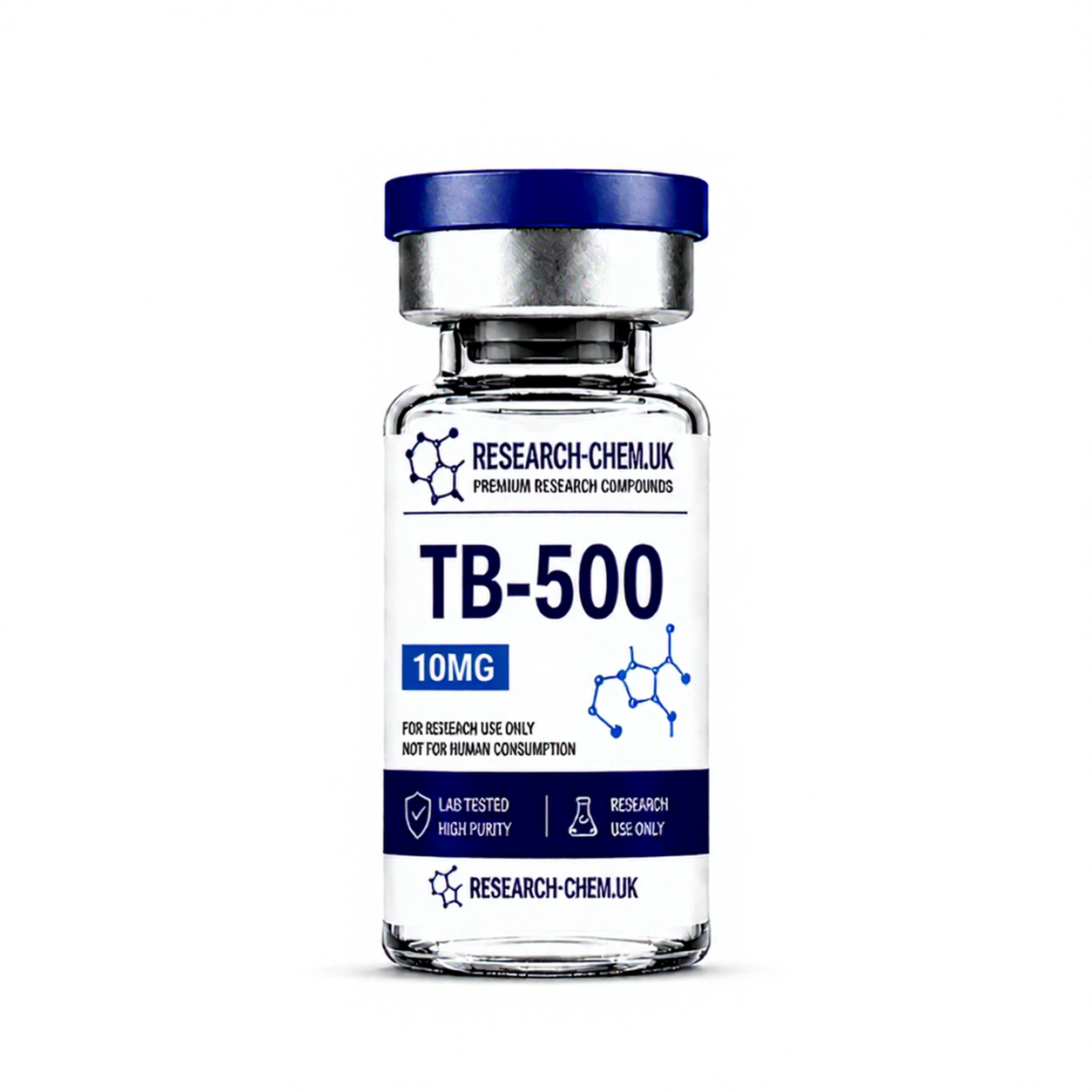
TB-500
10MG · 3ml vial
Synthetic analogue of the actin-sequestering protein Thymosin β-4. 43-amino acid peptide. Promotes actin polymerisation and cellular migration in vitro.
| CAS No. | 77591-33-4 |
| Mol. Formula | C₂₁₂H₃₅₀N₅₆O₇₈S |
| Mol. Weight | 4963.44 g/mol |
| Purity | ≥98.0% (HPLC) |
| Sequence | Ac-Ser-Asp-Lys-Pro-Asp-Met-Ala-Glu-Ile-Glu-Lys-Phe-Asp-Lys-Ser-Lys-Leu-Lys-Lys-Thr-Glu-Thr-Gln-Glu-Lys-Asn-Pro-Leu-Pro-Ser-Lys-Glu-Thr-Ile-Glu-Gln-Glu-Lys-Gln-Ala-Gly-Glu-Ser |
| Appearance | White lyophilised powder |
| Storage | −20 °C long-term; 2–8 °C short-term |
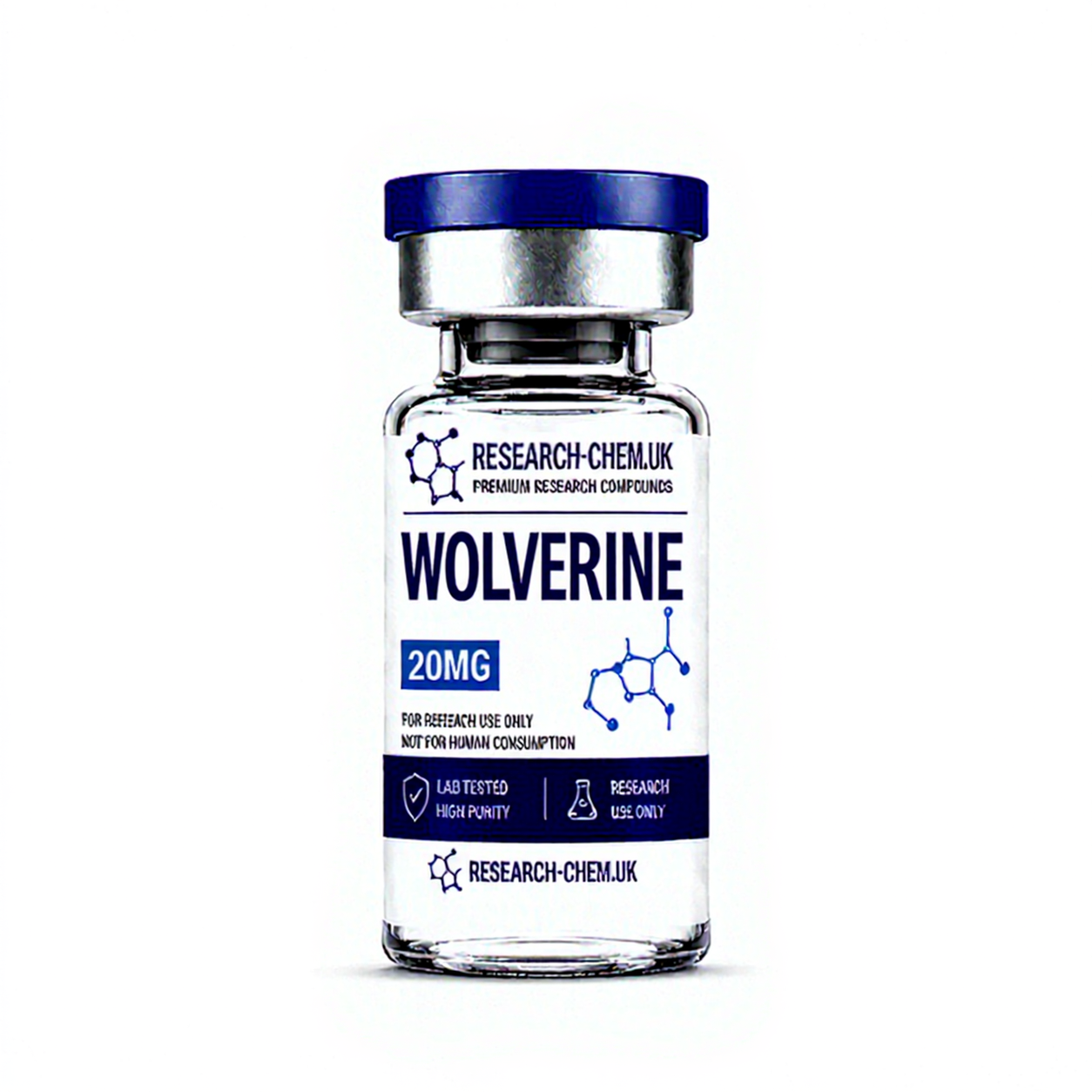
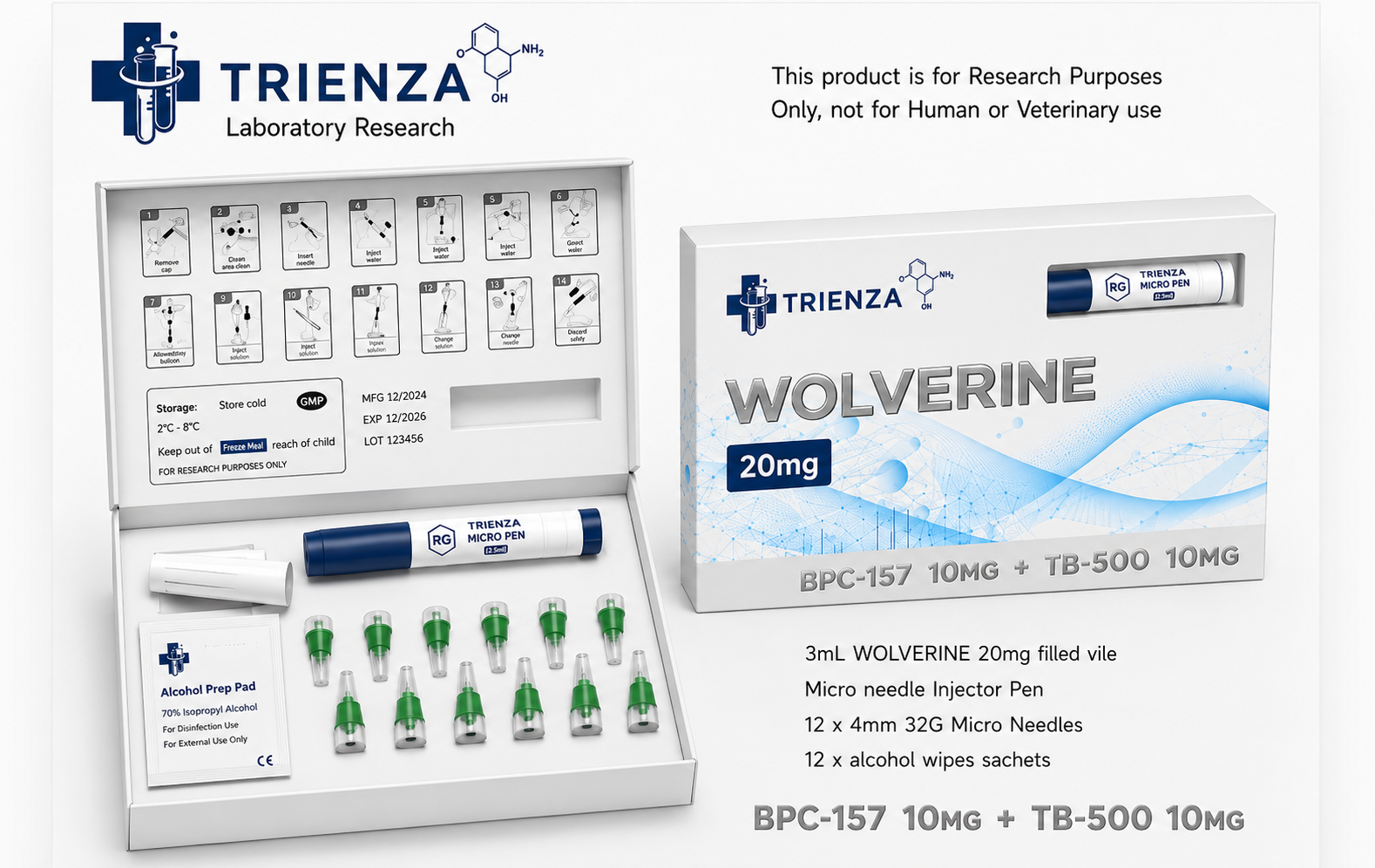
Wolverine
20MG · 3ml vial
Proprietary dual-peptide lyophilised blend. Contains BPC-157 (CAS 137525-51-0) and TB-500 (CAS 77591-33-4) in a fixed molar ratio. Each component independently verified by HPLC.
| CAS No. | Blend — see CoA |
| Mol. Formula | Peptide blend |
| Mol. Weight | See CoA |
| Purity | ≥98.0% per component (HPLC) |
| Sequence | BPC-157 + TB-500 combination blend |
| Appearance | White lyophilised powder |
| Storage | −20 °C long-term; 2–8 °C short-term |
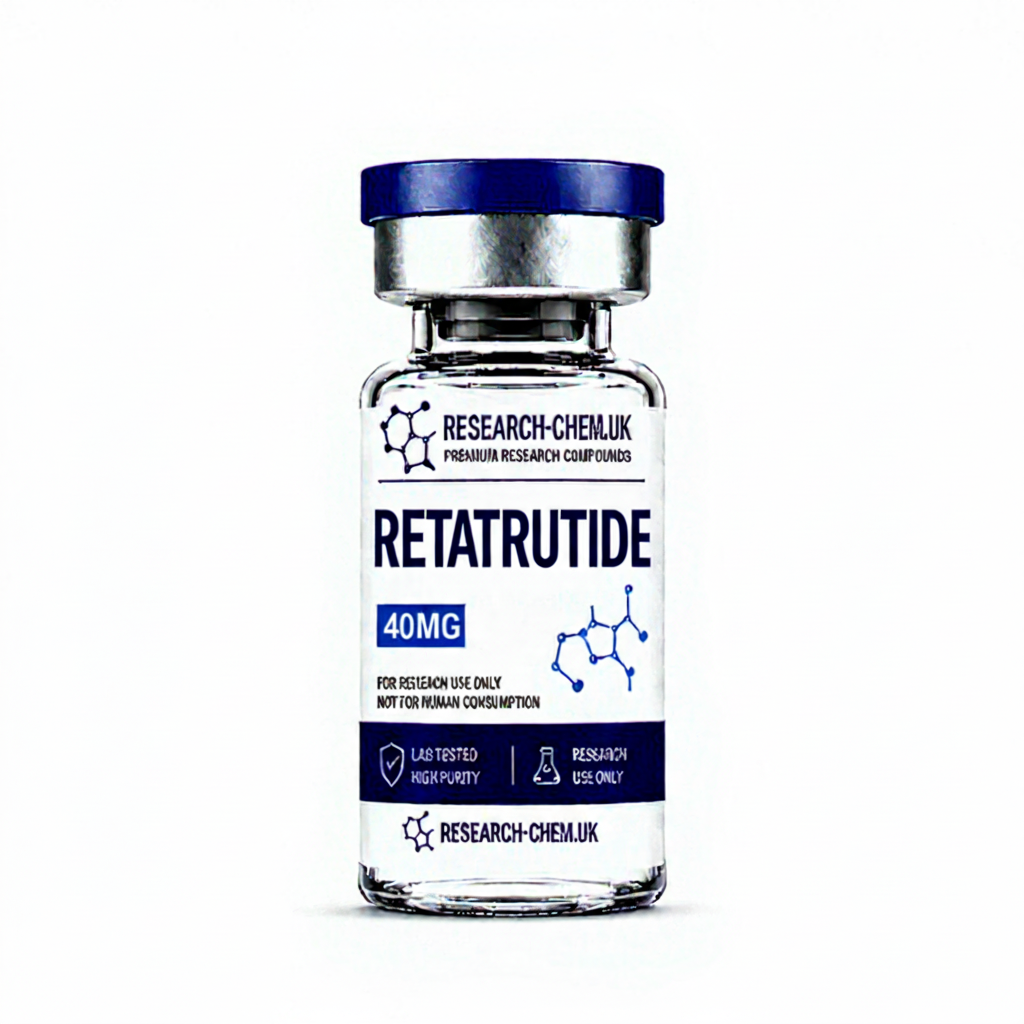
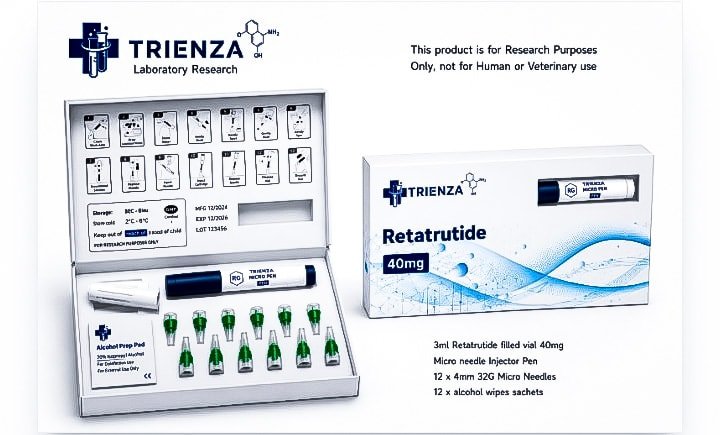
Retatrutide
40MG · 3ml vial
Triple incretin receptor agonist (GIP-R / GLP-1R / GCGR). C18 fatty diacid-conjugated peptide enabling extended half-life via albumin binding. Investigational compound.
| CAS No. | 2381272-89-3 |
| Mol. Formula | C₁₆₄H₂₅₆N₄₄O₅₃ |
| Mol. Weight | 3765.1 g/mol |
| Purity | ≥98.0% (HPLC) |
| Sequence | GIP/GLP-1/Glucagon triple receptor agonist peptide |
| Appearance | White lyophilised powder |
| Storage | −20 °C long-term; 2–8 °C short-term |
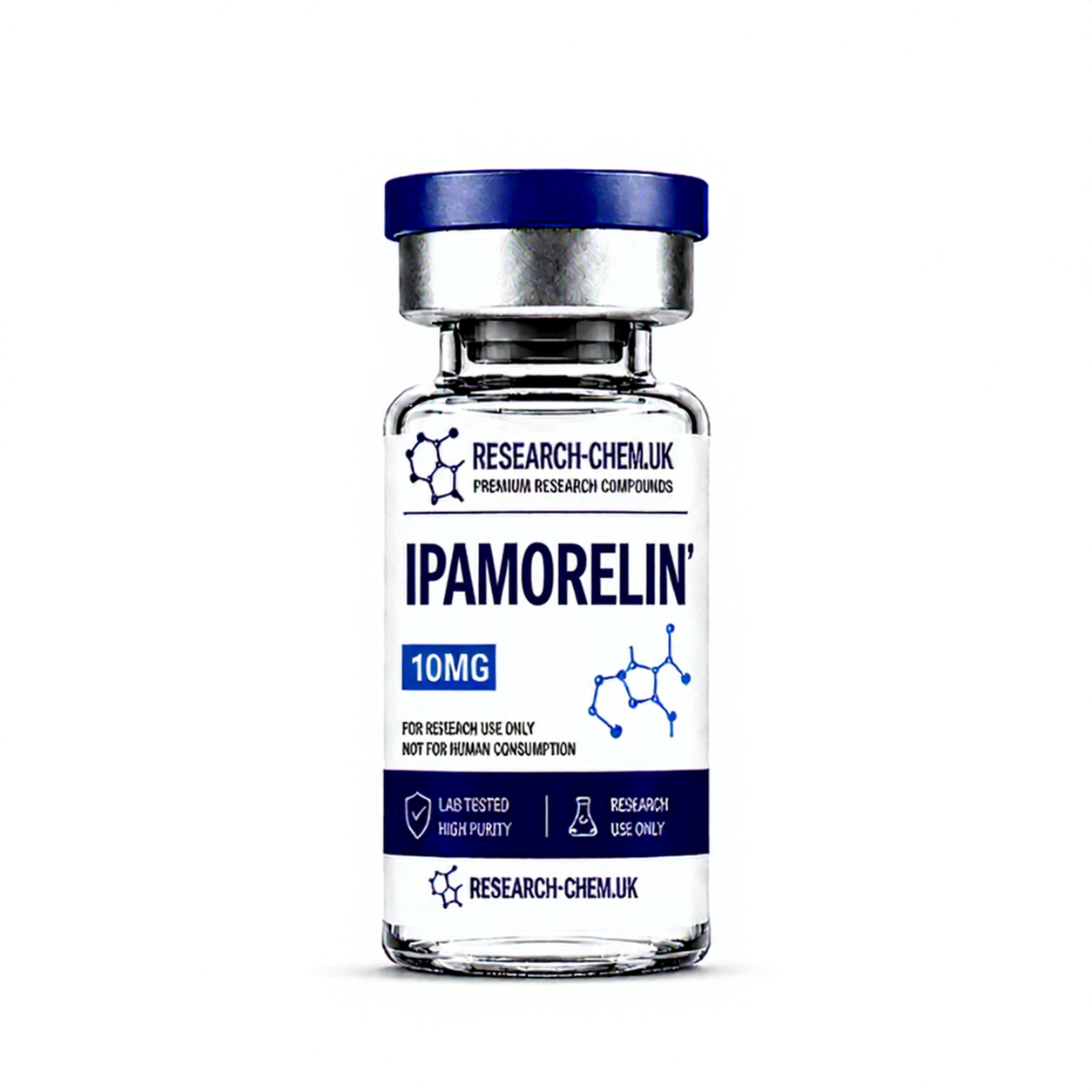
Ipamorelin
10MG · 3ml vial
Pentapeptide growth hormone secretagogue. Selective GHSR-1a agonist. Contains Aib (α-aminoisobutyric acid) at position 1 conferring proteolytic stability.
| CAS No. | 170851-70-4 |
| Mol. Formula | C₃₈H₄₉N₉O₅ |
| Mol. Weight | 711.86 g/mol |
| Purity | ≥98.5% (HPLC) |
| Sequence | Aib-His-D-2Nal-D-Phe-Lys-NH₂ |
| Appearance | White lyophilised powder |
| Storage | −20 °C long-term; 2–8 °C short-term |
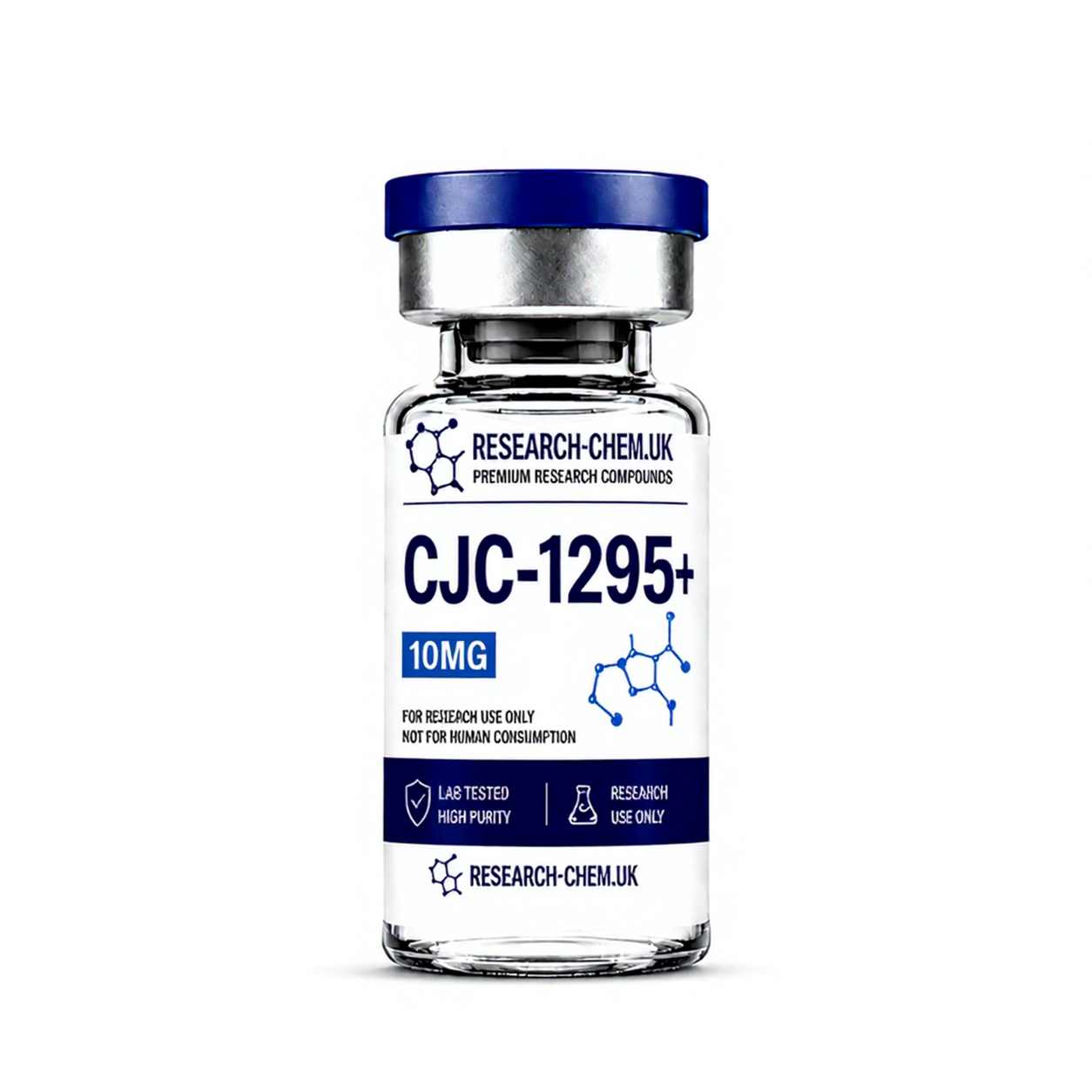
CJC-1295 + DAC
5MG · 3ml vial
Modified GHRH analogue with Drug Affinity Complex (DAC) technology. Covalent albumin binding via maleimide–thiol reaction extends plasma half-life to approximately 6–8 days.
| CAS No. | 863288-34-0 |
| Mol. Formula | C₁₅₂H₂₅₂N₄₄O₄₂ |
| Mol. Weight | 3647.28 g/mol |
| Purity | ≥98.0% (HPLC) |
| Sequence | GHRH(1-29)-Lys(Nε-maleimidopropionamide) analogue + Drug Affinity Complex |
| Appearance | White lyophilised powder |
| Storage | −20 °C long-term; 2–8 °C short-term |
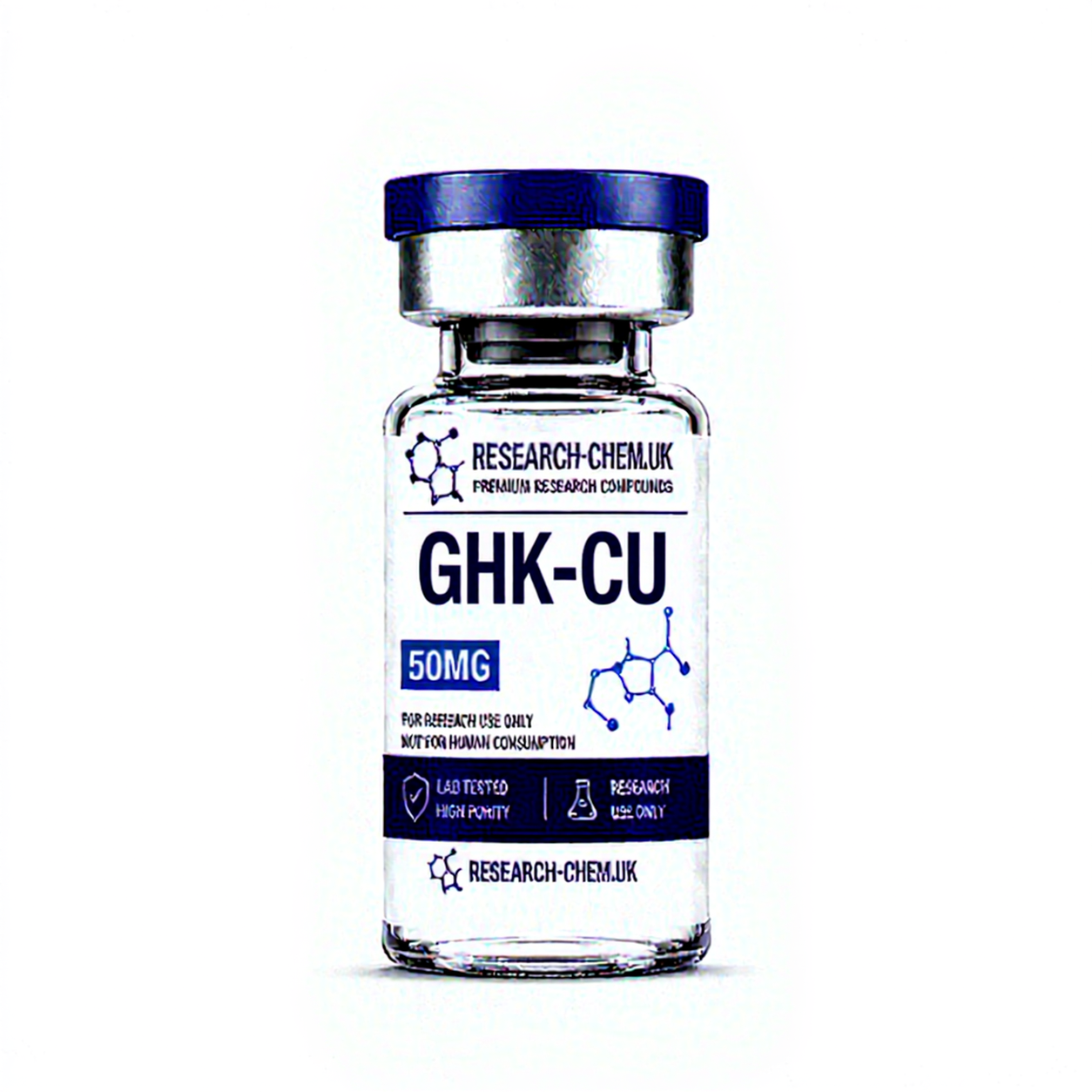
GHK-CU
50MG · 3ml vial
Copper(II) chelate of the tripeptide glycyl-L-histidyl-L-lysine. Endogenous plasma peptide. Cu²⁺ coordination via imidazole nitrogen of His and ε-amino group of Lys.
| CAS No. | 49557-75-7 |
| Mol. Formula | C₁₄H₂₄CuN₆O₄ |
| Mol. Weight | 340.84 g/mol (free base) |
| Purity | ≥98.0% (HPLC) |
| Sequence | Gly-His-Lys · Cu²⁺ chelate |
| Appearance | Blue lyophilised powder |
| Storage | −20 °C long-term; 2–8 °C short-term |
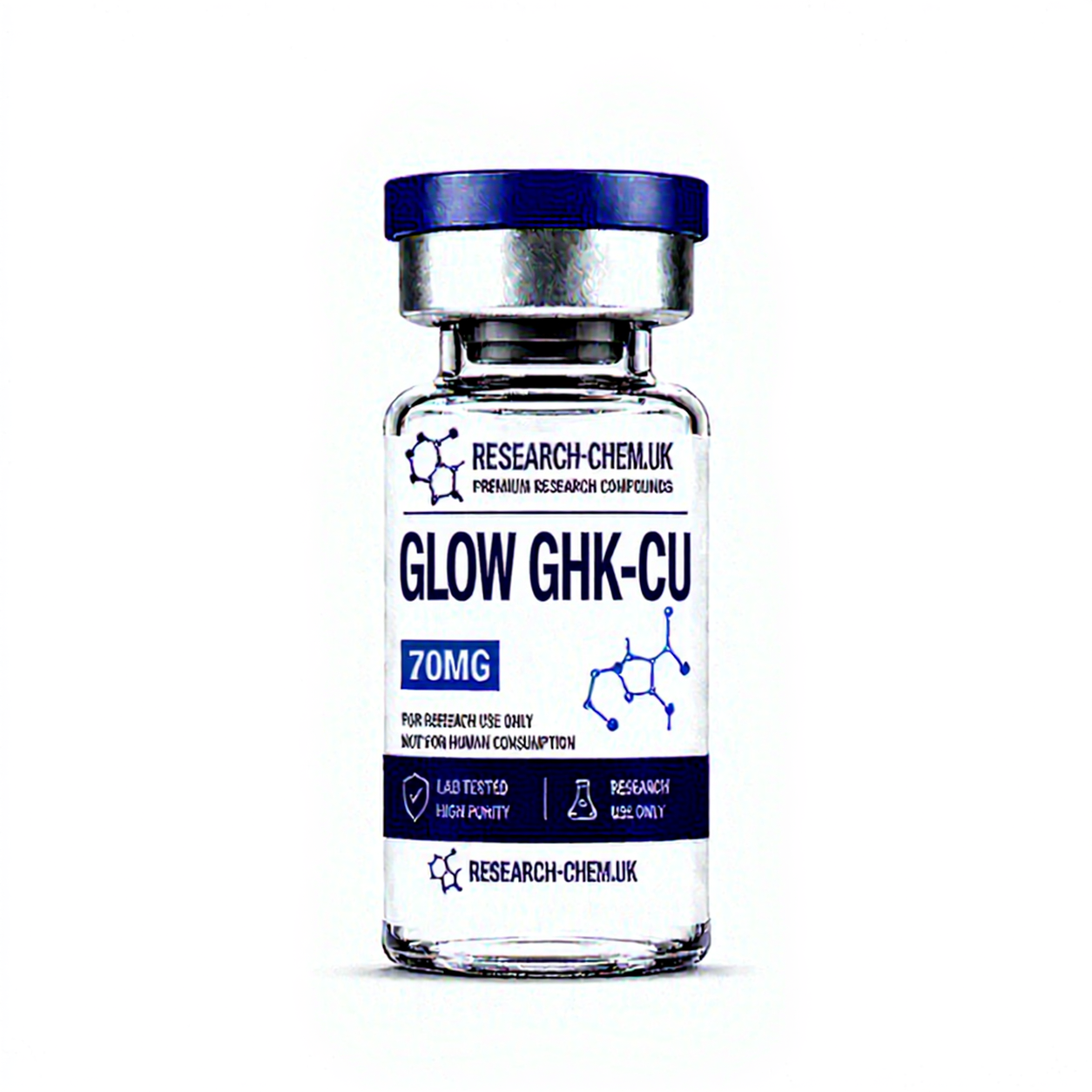
GLOW GHK-CU
70MG · 3ml vial
High-concentration GHK-Cu formulation (70 mg/vial). Identical molecular structure to standard GHK-Cu (CAS 49557-75-7). Elevated dose per vial for intensive in vitro protocols.
| CAS No. | 49557-75-7 |
| Mol. Formula | C₁₄H₂₄CuN₆O₄ |
| Mol. Weight | 340.84 g/mol (free base) |
| Purity | ≥99.0% (HPLC) |
| Sequence | Gly-His-Lys · Cu²⁺ chelate — high-dose formulation |
| Appearance | Blue lyophilised powder |
| Storage | −20 °C long-term; 2–8 °C short-term |
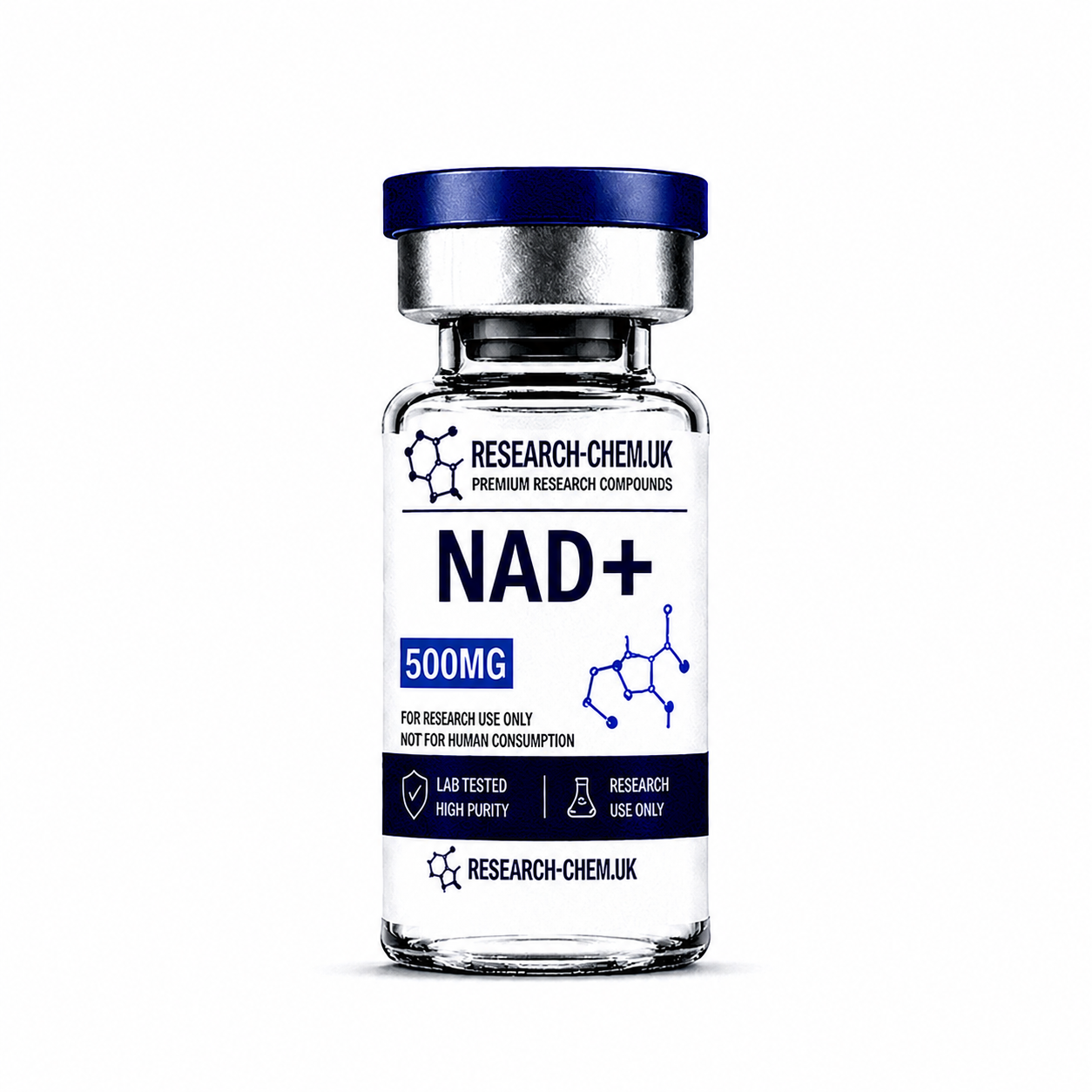
NAD+
500MG · 10ml vial
Oxidised form of nicotinamide adenine dinucleotide. Essential coenzyme in cellular redox reactions. Substrate for sirtuins (SIRT1–7), PARP enzymes, and CD38 NADase.
| CAS No. | 53-84-9 |
| Mol. Formula | C₂₁H₂₇N₇O₁₄P₂ |
| Mol. Weight | 663.43 g/mol |
| Purity | ≥99.0% (HPLC) |
| Sequence | Nicotinamide adenine dinucleotide (oxidised form) |
| Appearance | White to off-white lyophilised powder |
| Storage | −20 °C long-term; 2–8 °C short-term, desiccated |
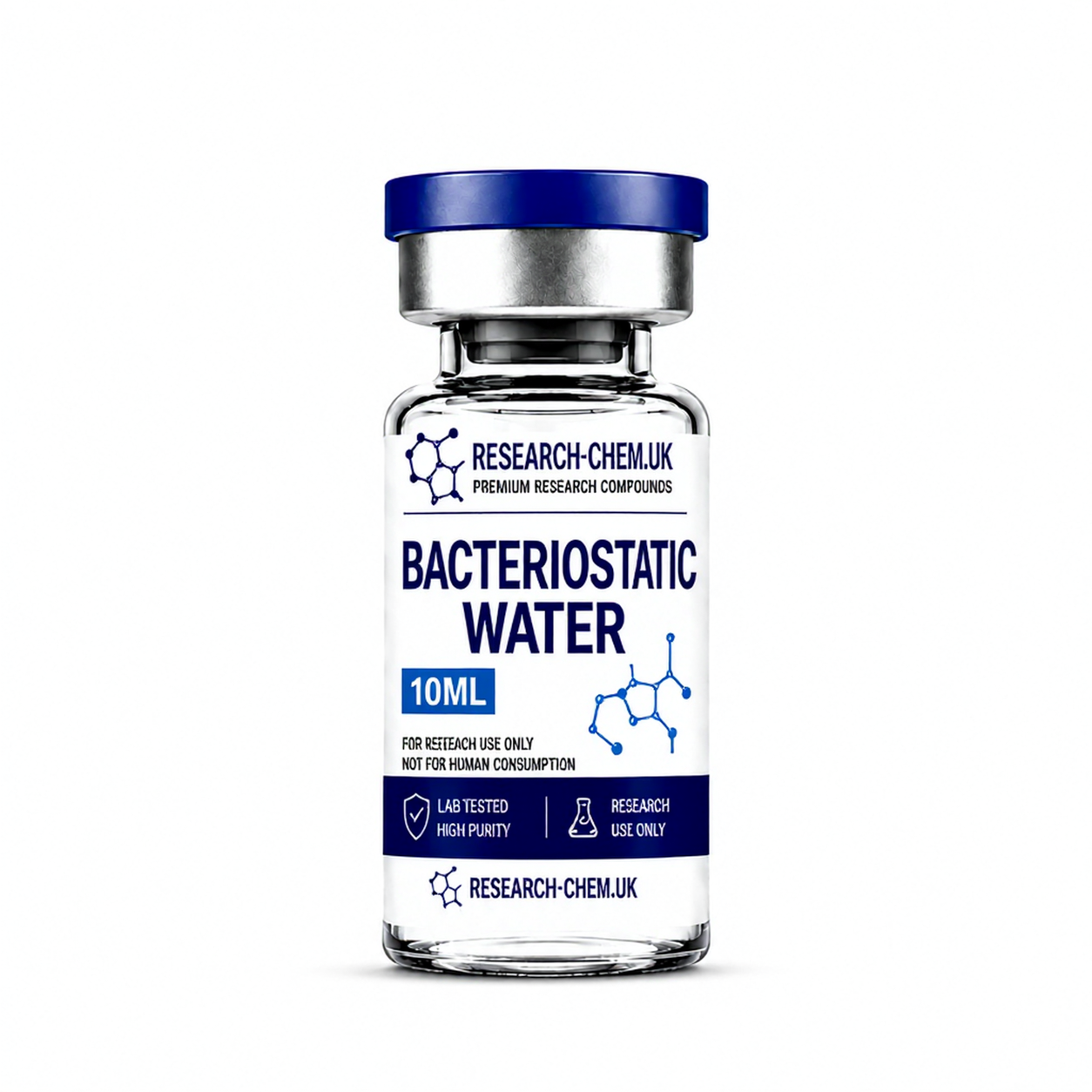
Bacteriostatic Water
10ML · 10ml vial
Water for injection preserved with 0.9% w/v benzyl alcohol (CAS 100-51-6). Bacteriostatic agent inhibits microbial growth. Suitable for multi-dose reconstitution of lyophilised peptides.
| CAS No. | 7732-18-5 |
| Mol. Formula | H₂O + 0.9% benzyl alcohol |
| Mol. Weight | 18.015 g/mol (H₂O) |
| Purity | Sterile-filtered; 0.22 µm membrane |
| Sequence | Sterile water for injection (WFI grade) |
| Appearance | Clear, colourless solution |
| Storage | Store at 15–25 °C; discard 28 days after first use |
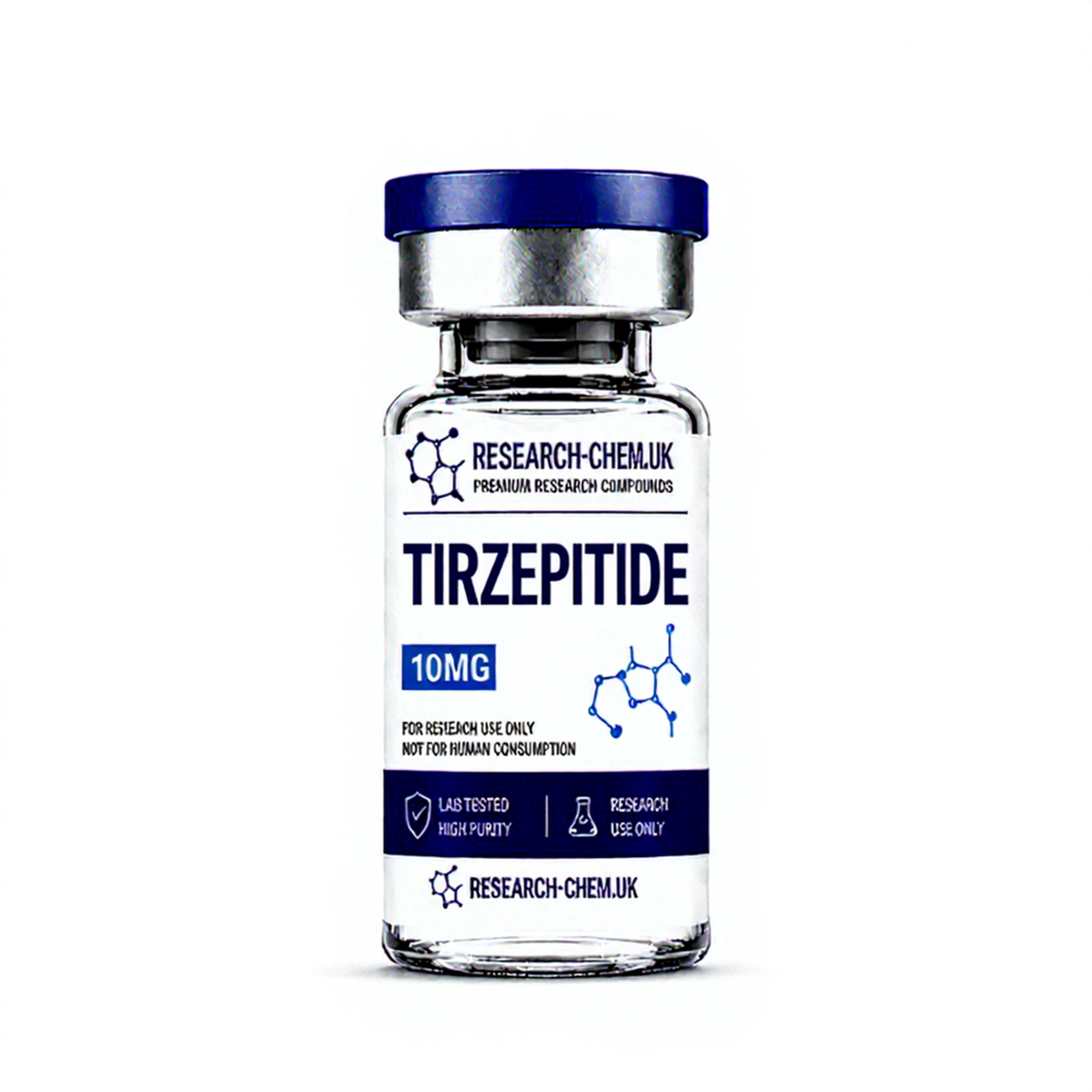
Tirzepatide
10MG · 3ml vial
Dual incretin receptor agonist (GIP-R / GLP-1R). 39-amino acid peptide with Aib substitution at position 2. C20 fatty diacid moiety enables once-weekly dosing via albumin binding.
| CAS No. | 2023788-19-2 |
| Mol. Formula | C₂₂₅H₃₄₈N₄₈O₆₈ |
| Mol. Weight | 4813.5 g/mol |
| Purity | ≥98.0% (HPLC) |
| Sequence | Dual GIP/GLP-1 receptor agonist peptide — C20 fatty diacid conjugate |
| Appearance | White lyophilised powder |
| Storage | −20 °C long-term; 2–8 °C short-term |
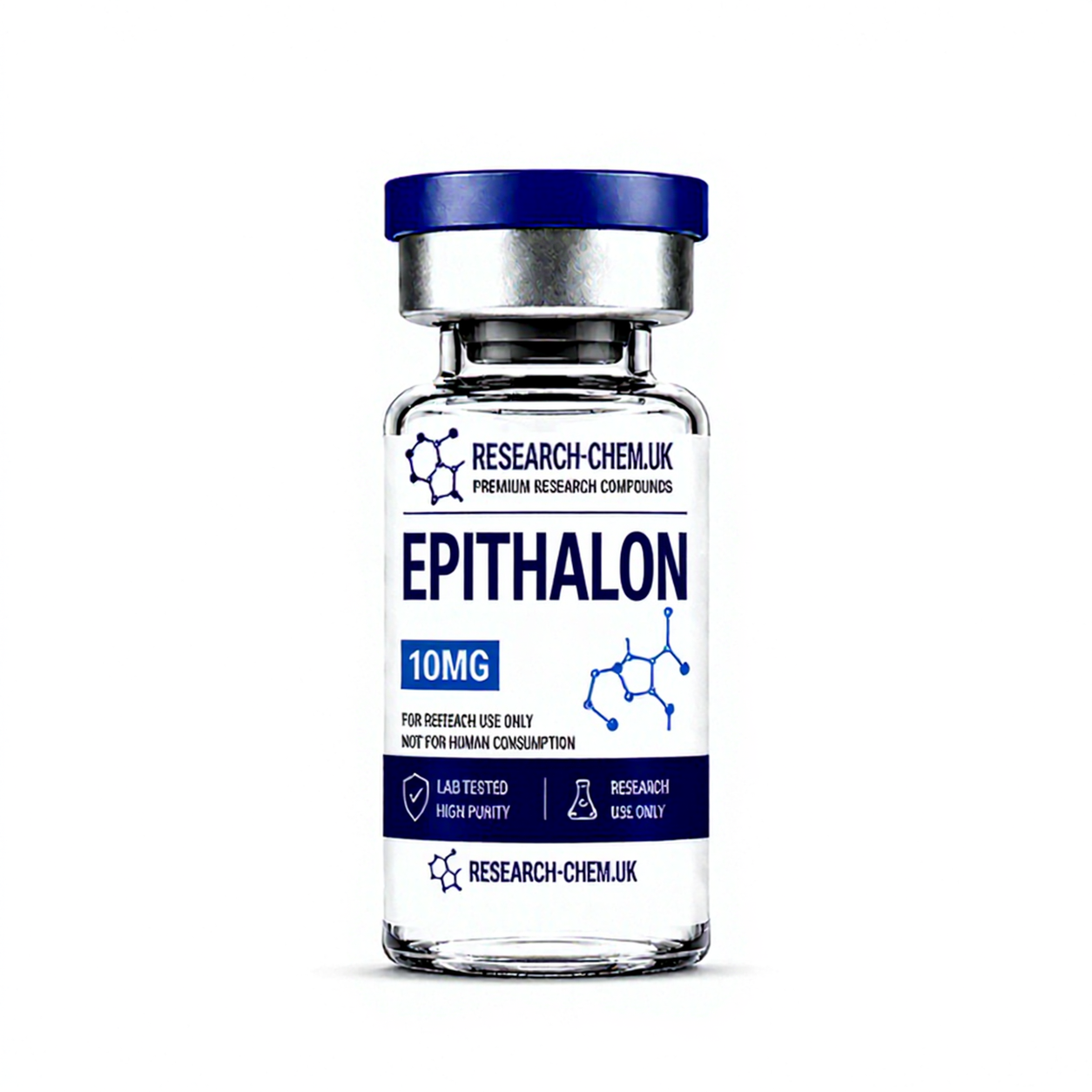
Epithalon
10MG · 3ml vial
Synthetic tetrapeptide (Ala-Glu-Asp-Gly). Analogue of epithalamin, a polypeptide isolated from bovine pineal gland. Reported to stimulate telomerase activity in somatic cells in vitro.
| CAS No. | 307297-39-8 |
| Mol. Formula | C₁₄H₂₂N₄O₉ |
| Mol. Weight | 390.35 g/mol |
| Purity | ≥98.5% (HPLC) |
| Sequence | Ala-Glu-Asp-Gly |
| Appearance | White lyophilised powder |
| Storage | −20 °C long-term; 2–8 °C short-term |
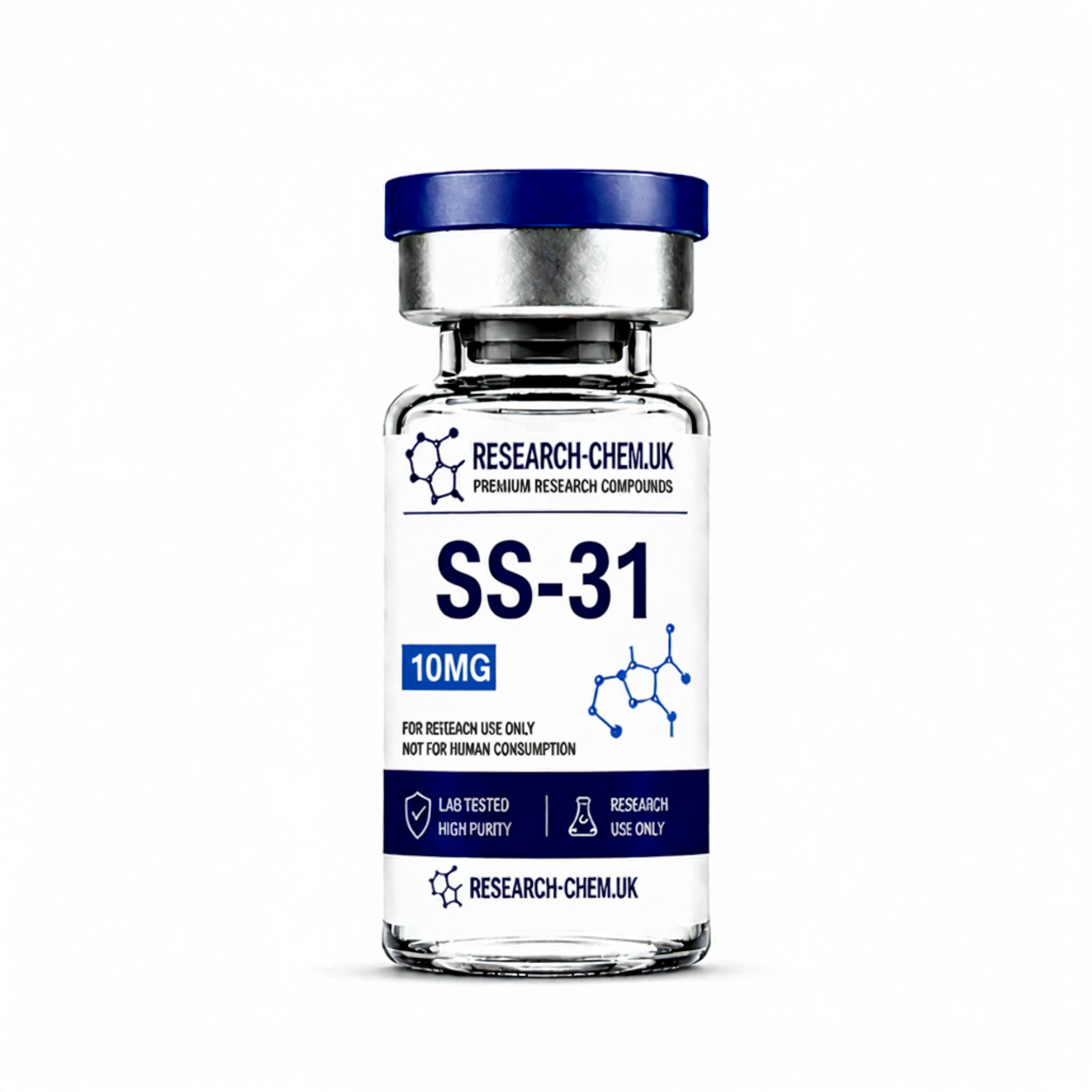
SS-31
10MG · 3ml vial
Szeto-Schiller tetrapeptide. Mitochondria-targeted antioxidant peptide. Selectively concentrates in the inner mitochondrial membrane via electrostatic interaction with cardiolipin.
| CAS No. | 736992-21-5 |
| Mol. Formula | C₃₂H₄₉N₉O₅ |
| Mol. Weight | 635.80 g/mol |
| Purity | ≥98.0% (HPLC) |
| Sequence | D-Arg-2′6′-Dmt-Lys-Phe-NH₂ |
| Appearance | White lyophilised powder |
| Storage | −20 °C long-term; 2–8 °C short-term |