


 RESEARCH USE ONLY
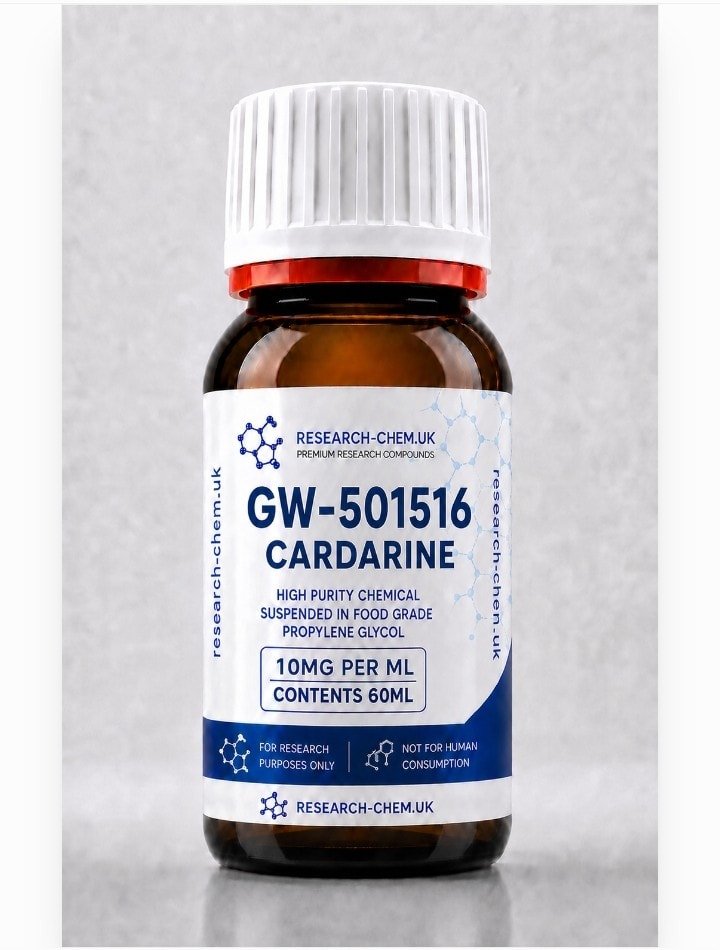
10mg per ml
GW-501516
Cardarine · CAS: 317318-70-0
Certificate of Analysis
Batch HPLC & MS included
UK Dispatch
Shipped next working day
Research Grade
≥98% documented purity
Discreet Packaging
Plain, secure, tamper-evident
Laboratory Research Use Only: This compound is sold exclusively for qualified in-vitro scientific and laboratory investigation. Strictly not intended for human or veterinary administration.
Product Overview
GW-501516, commonly known as Cardarine, is a synthetic selective peroxisome proliferator-activated receptor delta (PPARδ/PPARβδ) agonist developed as an investigational metabolic research compound.
Unlike compounds such as MK-2866, RAD-140 and LGD-4033, GW-501516 is not a selective androgen receptor modulator (SARM). Its primary pharmacological target is PPARδ, a nuclear receptor involved in the regulation of lipid metabolism, fatty-acid oxidation, energy metabolism and related gene-expression pathways.
GW-501516 progressed into human clinical research, including studies investigating dyslipidaemia and metabolic parameters. However, development was not continued as an approved therapeutic, and substantial preclinical toxicology concerns have contributed to continued scientific interest in its safety profile. Research-Chem.uk GW-501516 is supplied strictly for laboratory research and analytical purposes. It is not intended for human or veterinary use.
| Key Product Features | |
|---|---|
| Compound | GW-501516 |
| Common Name | Cardarine |
| Alternative Names | GW501516 / GW1516 / GSK-516 / Endurobol |
| Compound Class | Selective PPARδ agonist |
| Primary Target | PPARδ / PPARβδ |
| CAS Number | 317318-70-0 |
| PubChem CID | 9803963 |
| Molecular Formula | C₂₁H₁₈F₃NO₃S₂ |
| Molecular Weight | 453.5 g/mol |
| Testing | HPLC verified |
| Documentation | Batch-specific Certificate of Analysis (COA) |
| Application | Laboratory research only |
| Dispatch | UK |
What Is GW-501516 (Cardarine)?
GW-501516 is a synthetic small molecule developed as a highly selective agonist of PPARδ, also known as PPARβ/δ. PPARδ belongs to the nuclear receptor superfamily and functions as a transcriptional regulator. Activation of the receptor can alter expression of genes involved in fatty-acid utilisation, lipid transport and energy metabolism.
GW-501516 is also known by several names, including:
- Cardarine
- GW-501516 / GW501516 / GW-501,516 / GW 501516
- GW1516
- GSK-516
- Endurobol
PubChem identifies GW-501516 as CID 9803963, with CAS number 317318-70-0, molecular formula C₂₁H₁₈F₃NO₃S₂, and molecular weight approximately 453.5 g/mol. The compound has also been investigated in clinical research for lipid disorders and related metabolic conditions, reaching Phase II development.
How Is GW-501516 Investigated in Research?
The principal research interest in GW-501516 centres on selective activation of the PPARδ nuclear receptor. PPARδ regulates transcriptional networks involved in lipid and fatty-acid metabolism. Research has therefore used GW-501516 as a pharmacological tool for examining how PPARδ activation influences cellular metabolism and systemic metabolic parameters.
Research areas include:
- PPARδ receptor pharmacology
- Nuclear receptor signalling
- Fatty-acid oxidation
- Lipid metabolism
- Lipoprotein regulation
- Skeletal muscle metabolic pathways
- Energy metabolism
- Metabolic syndrome research
- Inflammatory signalling
- Gene-expression studies
- Comparative PPAR research
Early pharmacological work identified GW-501516 as a potent and selective PPARδ agonist and demonstrated effects on reverse cholesterol transport and lipid metabolism in experimental models.
GW-501516 Research Applications
PPARδ Research
GW-501516 is widely used in experimental research as a pharmacological PPARδ agonist. Activation of PPARδ can alter transcription of genes associated with fatty-acid utilisation and lipid handling, making GW-501516 useful for studying receptor-mediated metabolic signalling.
Fatty-Acid Oxidation
One of the best-characterised research areas surrounding GW-501516 is fatty-acid oxidation. Experimental studies have investigated increased fatty-acid utilisation in skeletal muscle and associated changes in metabolic gene expression. Research in humans has also examined changes in skeletal-muscle fatty-acid metabolism following PPARδ activation.
Lipid and Lipoprotein Research
GW-501516 has been investigated extensively in relation to cholesterol and triglyceride metabolism. A randomised human study involving subjects with low HDL cholesterol reported increases in HDL cholesterol and apoA-I, alongside reductions in LDL cholesterol, triglycerides and apoB following treatment with GW-501516. These findings make the compound relevant to laboratory research examining PPARδ-mediated regulation of lipid profiles and lipoprotein metabolism.
Metabolic Research
Research has also examined the effects of PPARδ activation on metabolic syndrome-associated abnormalities. A controlled study in moderately overweight men reported changes in triglycerides, LDL cholesterol, apolipoprotein B, insulin and liver fat following GW-501516 treatment, alongside evidence of increased fatty-acid utilisation. These findings helped establish PPARδ as an important experimental target in metabolic research.
What Does the Research Say?
Human Research
GW-501516 has a more substantial human research history than many compounds sold online under the general label of "research chemicals." Early clinical research investigated PPARδ activation in healthy volunteers and demonstrated effects on HDL cholesterol, triglyceride handling and skeletal-muscle fatty-acid metabolism.
Further randomised research involving subjects with low HDL cholesterol found significant changes in several lipid parameters, including HDL cholesterol, LDL cholesterol, triglycerides and apolipoproteins. These studies provide evidence that GW-501516 produces measurable pharmacological effects in humans. However, demonstrated pharmacological activity should not be confused with an approved therapeutic indication or established long-term safety.
Preclinical Metabolic Research
Animal and cellular studies have provided additional evidence for the role of PPARδ in regulating fatty-acid oxidation and metabolic gene expression. Research has investigated pathways involving fatty-acid transport, mitochondrial metabolism and transcriptional regulators associated with oxidative metabolism.
Toxicology and Cancer Research
The safety profile of GW-501516 is an important component of the scientific literature. Multiple preclinical studies have reported concerning associations between PPARδ activation by GW-501516 and tumour development in specific experimental models.
For example, research in mice has reported accelerated mammary tumour formation following exposure to GW-501516 in carcinogen-associated models. Another experimental study reported rapid development of metastatic gastric tumours in a mouse model involving GW-501516 exposure following carcinogen administration. Research has also reported enhancement of colitis-associated colorectal cancer in a mouse model following PPARδ agonist exposure.
These findings are preclinical and should not be directly interpreted as evidence of equivalent cancer risk in humans. Nevertheless, they are highly relevant when evaluating the scientific safety profile of GW-501516.
Why Is GW-501516 Different From a SARM?
GW-501516 is frequently grouped alongside SARMs on websites selling research compounds, but this classification is scientifically inaccurate. GW-501516 is not a SARM. Its primary pharmacological target is PPARδ — a nuclear receptor involved in metabolic gene regulation — rather than the androgen receptor.
| Compound | Primary Target | Classification |
|---|---|---|
| GW-501516 | PPARδ | PPARδ agonist |
| MK-2866 | Androgen receptor | SARM |
| LGD-4033 | Androgen receptor | SARM |
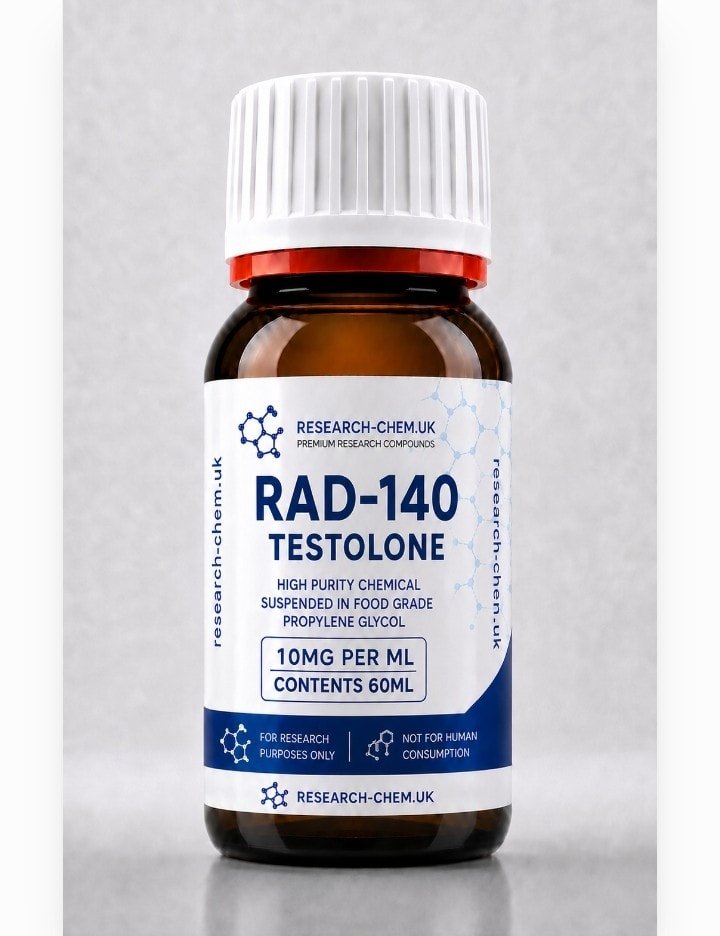
| RAD-140 | Androgen receptor | SARM |
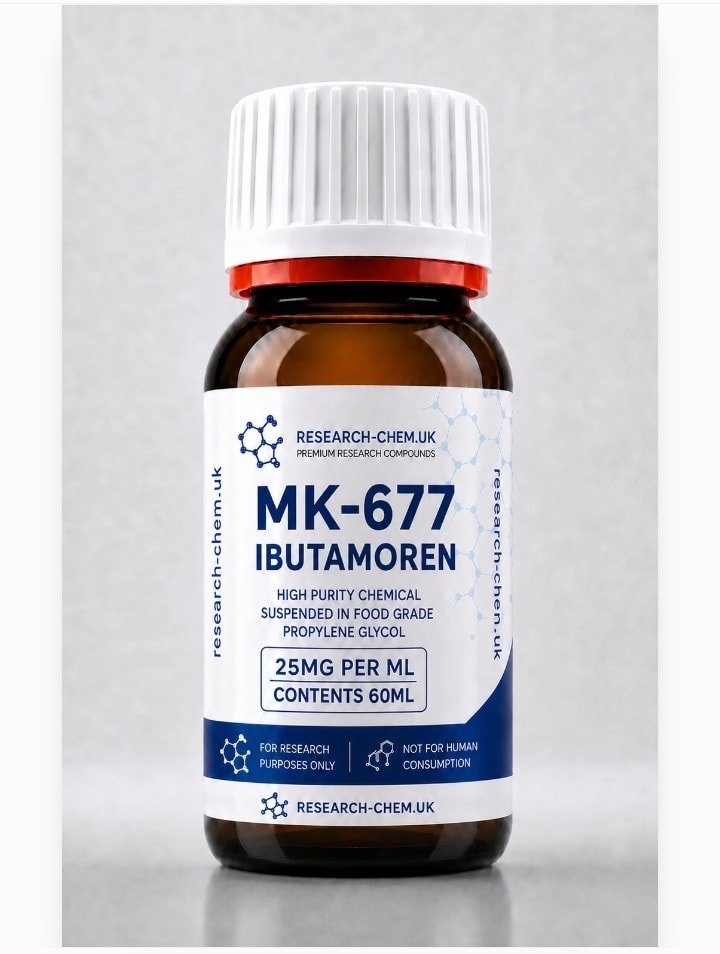
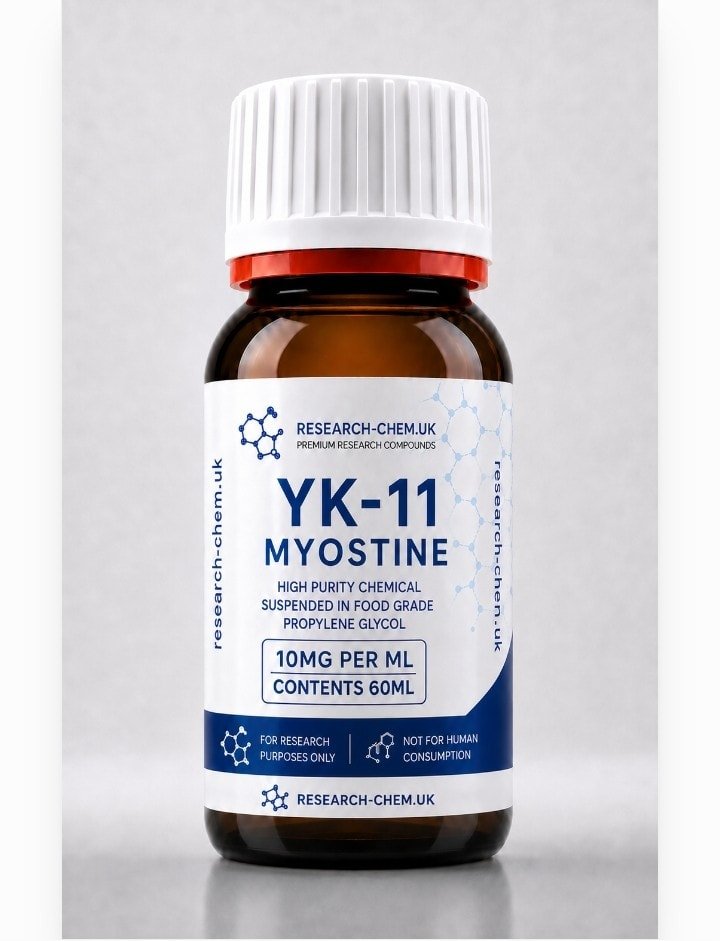
| YK-11 | Androgen receptor-related activity | Steroidal AR-active research compound |
This distinction is important when interpreting experimental findings and comparing research compounds.
Research References
-
Oliver et al. — Identification of GW-501516 as a PPARδ Agonist
Oliver WR Jr, et al. (2001). A selective peroxisome proliferator-activated receptor δ agonist promotes reverse cholesterol transport.
PMID: 11309497 · DOI: 10.1073/pnas.091021198
This foundational research characterised GW-501516 as a selective PPARδ agonist and investigated its effects on cholesterol transport and lipid metabolism in experimental systems.
-
Sprecher et al. — PPARδ Activation and Lipid Metabolism
Sprecher DL, et al. (2007). Triglyceride lipoprotein cholesterol effects in healthy subjects administered a peroxisome proliferator activated receptor delta agonist. This early human study investigated GW-501516 in healthy volunteers and reported effects on HDL cholesterol, triglyceride handling and fatty-acid utilisation.
-
Riserus et al. — Metabolic Effects in Overweight Men
Riserus U, et al. (2008). Activation of peroxisome proliferator-activated receptor (PPAR)delta promotes reversal of multiple metabolic abnormalities, reduces oxidative stress, and increases fatty acid oxidation in moderately obese men. This randomised study investigated GW-501516 in moderately overweight men and reported changes in several metabolic and lipid parameters.
-
Olson et al. — Lipid Effects of GW-501516
Olson EJ, et al. (2012). Lipid effects of peroxisome proliferator-activated receptor-δ agonist GW501516 in subjects with low high-density lipoprotein cholesterol: characteristics of metabolic syndrome.
PMID: 22814748 · DOI: 10.1161/ATVBAHA.112.247890
A multicentre randomised study examining the effects of GW-501516 on HDL cholesterol, LDL cholesterol, triglycerides and apolipoproteins.
-
Cancer and PPARδ Research
Preclinical studies have investigated the relationship between PPARδ activation and tumour development in several experimental models. Findings have included accelerated tumour development in certain chemically induced mammary and gastric cancer models. These studies provide an important part of the toxicological context surrounding GW-501516.
-
PubChem — GW-501516 Chemical Information
PubChem CID: 9803963. GW-501516 / Cardarine. Molecular formula: C₂₁H₁₈F₃NO₃S₂. Molecular weight: 453.5 g/mol. CAS: 317318-70-0.
GW-501516 Product Specifications
| Property | Specification |
|---|---|
| Compound | GW-501516 |
| Common Name | Cardarine |
| Alternative Names | GW501516 / GW1516 / GSK-516 |
| Compound Class | Selective PPARδ agonist |
| Primary Target | PPARδ / PPARβδ |
| CAS Number | 317318-70-0 |
| PubChem CID | 9803963 |
| Molecular Formula | C₂₁H₁₈F₃NO₃S₂ |
| Molecular Weight | 453.5 g/mol |
| Research Classification | Investigational metabolic research compound |
| Testing Method | HPLC |
| Documentation | Batch-specific COA |
| Intended Application | Laboratory research only |
Chemical identification data are based on the current PubChem record for GW-501516. Product-specific vial size, quantity and batch purity should be stated from the corresponding Research-Chem.uk batch documentation rather than inferred from the chemical identity.
Quality and Purity
At Research-Chem.uk, analytical verification is an important part of our research-compound supply process. Each batch is submitted for HPLC analysis by an independent UKAS-accredited laboratory, with batches required to meet the applicable purity threshold before approval for dispatch.
A batch-specific Certificate of Analysis (COA) is available to document analytical testing and reported purity.
For research applications involving pharmacologically active small molecules, independent analytical verification helps researchers establish compound identity, purity and batch traceability.
Laboratory Research Applications
GW-501516 may be of interest to qualified research laboratories investigating:
- PPARδ receptor pharmacology
- Nuclear receptor signalling
- Fatty-acid oxidation
- Lipid metabolism
- Cholesterol transport
- Lipoprotein biology
- Skeletal muscle metabolism
- Metabolic syndrome research
- Gene-expression pathways
- Cellular energy metabolism
- Comparative PPAR agonist research
- Analytical chemistry
- Compound identification and characterisation
The compound should be handled in accordance with appropriate laboratory chemical-safety procedures and institutional requirements.
Why Choose Research-Chem.uk?
Laboratory-Focused Supply
Research-Chem.uk specialises in research compounds intended for laboratory and analytical applications.
Independent HPLC Testing
Research compounds are subjected to independent HPLC analysis through a UKAS-accredited laboratory.
Batch Documentation
A Certificate of Analysis provides batch-specific analytical information and supports research traceability.
Scientifically Accurate Classification
GW-501516 is correctly described as a PPARδ agonist rather than a SARM, helping researchers distinguish its pharmacology from androgen-receptor modulators.
Research-Only Positioning
We do not market GW-501516 as a supplement, fitness product, medicine or treatment.
Research-Use Disclaimer
For laboratory research use only. Not for human or veterinary use.
GW-501516 (Cardarine) is supplied by Research-Chem.uk strictly for laboratory research and analytical purposes.
This product is not intended for human consumption, veterinary use, diagnosis, treatment, prevention of disease, or use as a dietary supplement.
GW-501516 is an investigational PPARδ agonist and is not an approved general-purpose medicine or supplement.
The scientific literature includes significant preclinical toxicology concerns involving tumour development in certain animal models following PPARδ activation by GW-501516. These findings should not be extrapolated directly to humans, but they are an important consideration when evaluating the compound's research and safety profile.
Researchers are responsible for ensuring that all handling, storage, analysis and disposal of the compound comply with applicable institutional, laboratory and regulatory requirements.
For laboratory research only. Not for human or veterinary use.